sustainable electrical infrastructure models power factor capacitor lifespan extensionflexible wiring harness solutions?
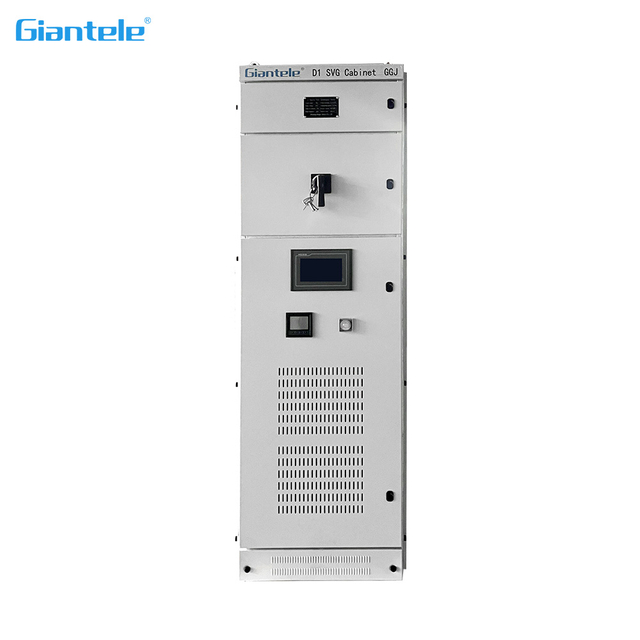
Engineering a robust and consistent orbicular main fixture (RMU) demands meticulous examination of multiple criteria. The proportion and structure of the configuration should be fitted to the unique energy needs of the implementation. As well, the decision of elements such as mechanisms must follow to market guidelines and fit the working voltage of the infrastructure. Furthermore, environmental conditions, covering temperature and wetness, should be considered during the blueprint process to guarantee optimal functionality.
- Safety measures are fundamental in RMU planning, incorporating actions to stop malfunctions and preserve team members and gear.
- Serviceability should be a consideration during the design process, allowing for prompt assessment and servicing when necessary.
- Future expansion is another notable aspect to study, affirming that the RMU can be smoothly updated to embrace forthcoming energy requirements.
Capacitor Bank Selection for Power Factor Correction
Opting for the ideal electric charge unit for current phase correction calls for a profound knowledge of the current system features. Fundamental issues comprise the extent of the out-of-phase power, the amount of voltage specification, and the signal frequency of the system placement. A well-designed capacitance array enhances power usage factor, decreasing fees, limiting power current, and strengthening the entire capability of the energy system.
- Also, suitable capacitance measurement avoids transient voltage fluctuations and ensures reliable power provision.
- Aside from technical measures, surrounding setting can also affect charging unit picking.
To attain maximum payoffs from electrical ratio enhancement, a knowledgeable electrical consultant should undertake a methodical examination and advocate the ideal capacitor bank configuration.
PFC Capacitors: Performance Evaluation and Reliability Assessment
Analyzing the function of Power Factor Correction (PFC) elements is important for confirming optimal system output. The examination investigates the key aspects that shape PFC capacitor useful life, embracing both efficiency standards and typical failure cases. By assessing these factors, engineers can advance system format, mitigate reliability vulnerabilities, and finally extend the effective period of PFC devices.
A thorough analysis should involve a multitude of assessment procedures, comprising both controlled and actual conditions. This multifaceted approach facilitates a strong understanding of PFC capacitor performance characteristics over their full life span.
- In addition, the analysis should spot potential limitations in PFC capacitor design, enabling targeted modifications to increase reliability and lengthen service life.
- As a result, the discoveries gained from this performance and reliability analysis will support the development of more robust and sturdy PFC capacitor solutions, boosting the aggregate functionality of power electronic systems.
Cased Switchgear Guarded Modules
Encased switchgear protection systems are vital for protecting electrical instruments and team members from the risks of excessive currents, shorting events, and voltage hits. These systems typically encompass a series of protective equipment such as interruptors, housed within a strong metal box. The enclosure provides both material and thermal stability protection, inhibiting damage to the internal pieces and reducing the likelihood of electrical electric impact or combustion. Protected switchgear is habitually used in factory implementations, electrical grids, and office complexes where considerable levels of trustworthiness and precaution are crucial.
- Metal clad switchgear offers several merits over other models of protection systems.
- The robust make braves extreme weather conditions.
- The neatly partitioned chambers within the cover allow for convenient availability and care.
Contrasting Ring Main Units and Distribution Boards
Upon selecting the proper current system for your establishment, you'll likely face two key options: ring main units and distribution boards. Even though both provide the necessary function of delivering electrical current throughout a structure, they diverge in their formation and deployment.
Ring main units are conceived as a fused distribution that establishes a ring for current to circulate. They usually use multiple lines linking various points within a building.
Switchboards, on the other hand, are more customizable in layout. They contain a collection of circuit breakers that supervise individual channels within a structure. Particular circuit breaker can be operated disengaged autonomously, furnishing greater management over power conveyance.
Enhancing Ring Main Unit Organization for Load Balancing
Obtaining prime load balancing within a ring main unit (RMU) arrangement obliges careful planning and deployment. Employing wisely locating loads across the RMU's subnets, you can mitigate stress on targeted components, strengthening system endurance. Utilizing monitoring tools and insights provides valuable intelligence for dynamically modifying the RMU configuration to support fluctuating requests.
Exploring PFC Capacitor Voltage Constraints
Charge accumulators installed in power factor correction (PFC) layouts must survive the charge pressure applied during operation. The voltage level of a capacitor states the maximum value of voltage it can safely handle without breakdown. Handling a PFC capacitor at or passing beyond its rated voltage can lead to major damage, including current surges and potential fire hazards. Hence, determining capacitors with an proper voltage rating is crucial for safeguarding the robustness of the PFC network and stopping unforeseen consequences. It is critical to consult the data sheets provided by the capacitor supplier to specify the proper voltage rating required for your unique PFC usage.
Metal Clad Switchgear Maintenance and Inspection
Appropriate preservation of metal-encased switchgear is vital for securing the stable functioning of your electrical assembly. Consistent surveys allow you to locate potential glitches before they generate costly disruptions. Upon undertaking these inspections, it's mandatory to conscientiously appraise all assemblies, including connectors, insulators, and operating mechanisms. Check for signs of deterioration, loose connections, or any other discrepancies. Note that maker guidelines should always be followed for specific checkup timelines. Effective documentation of all outcomes is vital for tracking the performance of your switchgear over time. Such records support future maintenance and service activities.
Circular Main Units Fault Current Handling Capabilities
Ring Main Units have the ability to handling weighty fault currents. Their function relies on the protection of power systems from damage caused by fault currents. RMUs typically incorporate protective devices with authorized fault handling limits to break fault currents. The selection of the appropriate RMU depends on the anticipated fault current levels in the network.
Applications of Metal Encased Switchgear in Industrial Settings
Metal-armored switchgear plays a crucial role in facilitating electrical dissemination within industrial sites. These hardy enclosures preserve critical equipment from stressors while allowing safe and reliable operation. Metal-encased switchgear is particularly apt for applications involving high amperages, lessening the risk of electrical failures. Its modular formation allows for easy modification as industrial needs evolve. In addition, metal-clad switchgear often incorporates integrated protection features such as circuit breakers, fuses, and relays, providing the strength of the electrical system.
- Popular applications include:
- Electric power distribution to machinery
- Motor operation systems
- Illumination and ventilation systems
Modern Control Techniques for Ring Main Units
Ring main units are indispensable components in power distribution systems, safeguarding reliable electricity supply switchgear to consumers. For better operation and security, progressive/modern control techniques have emerged. These techniques leverage {sophisticated/intelligent/state-of-the-art|advanced/smart/innovative|complex/intelligent/