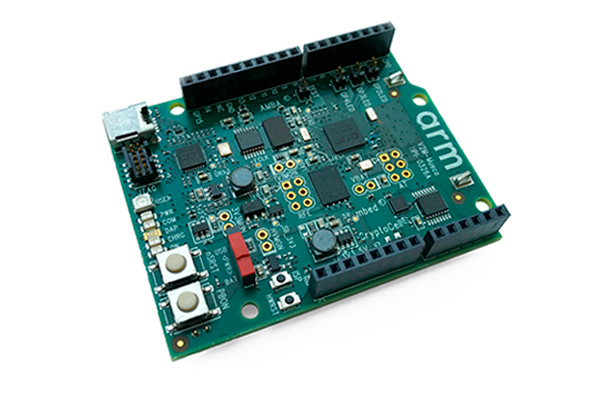
Reviewing state-of-the-art processing units Are embedded device certification requirements easier to meet on x86 or arm

During extensive periods, the electronic domain has been influenced by two fundamental blueprints: ARM alongside x86 formats. Both structures offer individual merits, leading to a ardent battle for consumer base. While x86 as the long-standing model, has long held the crown in laptop and mainframe segments, ARM's progress has been remarkably evident.
The efficiency edge of ARM, coupled with its adaptability, has made it a preferred choice for portable units and internal mechanisms. However, ARM is now aspiring to conquer new zones, including thin clients and information centers. This pursuit has stirred the veteran x86 entities, who are answering by enhancing features to maintain dominance.
- Fundamental contrasts in their designs affect software efficiency, power consumption, and overall system design.
- The changing demands of users are driving the demand for more enhanced computing solutions.
Finally, the struggle of ARM and x86 unfolds as a lively and mutable environment, with both platforms continuously evolving to meet the demands of a rapidly changing world. The outcome of this fight remains to be seen, but one thing is certain: the future of computing will be shaped by the innovations and advancements of these two titans.
x86 vs armComparing ARM and x86 for Processing Power
Across the dynamically shifting digital sector, selecting the top-performing system layout can be a tricky challenge. Two titans dominate the market: ARM and x86. Both offer compelling attributes, but their performance peculiarities diverge significantly. This complete analysis delves into the details of each architecture, empowering you to make an informed resolution.
- Capacity
- Wattage
- Charge
Review of performance data will occur, real-world situations, and the positives of each architecture, helping you identify which platform best suits your necessities.
Factors Behind ARM's Success in Embedded Devices
ARM microprocessors remain pivotal within the built-in device marketplace. This preeminence results from assorted notable origins. First, ARM's design is naturally low-energy, making it ideal for devices with limited power budgets. Second, the ARM ecosystem includes a significant and bustling group of developers and hardware partners, providing ample support and progress. Finally, ARM's open-source approach enables tailoring for distinct purposes, leading to a wide range of products. These factors have combined to make ARM preferred for countless embedded devices, from smartphones to smartwatches and even industrial technology.
Superior x86 SBC Options for Power Tasks
Electing the finest x86 SBC demands analysis, especially when you're a power user. You need a device that can handle demanding workloads, offer robust performance, and provide a platform for resource-heavy operations.
- Numerous aspects affect the ideal SBC selection, including processing power, RAM capacity, storage options, connectivity features, and community support.
- For devoted skilled individuals, a board with a potent CPU resembling Intel i5 or Ryzen 5 is essential.
- Complemented by large RAM and speedy storage necessity for smooth and efficient operation.
Refrain from settling for bare essentials; invest in a platform that can completely support your projects.
The Ultimate Guide to x86 Single Board Computers
Examining economical x86 SBC options brings promising results. These efficient boards grant plentiful potential to creators. From building connected living setups to coding innovations, x86 SBCs provide a customizable, wallet-friendly system for advancement. This guide will support competence in the evolving x86 SBC domain, revealing advantages of these innovative gadgets.
- Delve into development and influence of x86 SBCs on electronic systems.
- Compare popular x86 SBC models, considering specifications and target audiences.
- Understand crucial peripherals making up x86 SBC architecture.
- Delve into development frameworks and operating environments fitting x86 SBCs.
- Reveal novel implementations of x86 SBCs within assorted markets.
Expansion of ARM Architecture Within Desktop Segments
Although historically recognized for superiority in portable gadgets, ARM architecture is steadily making inroads into the desktop market. Several factors contribute to this pattern, including the increasing demand for energy-efficient computing and the growing popularity of cloud-based applications. Manufacturers including Apple integrate ARM cores in portable computers, demonstrating the potential for high productivity. This trend is further fueled by the development of new systems specifically tailored for desktop workloads. As these innovations mature and become more widely available, we can expect to see ARM's presence grow considerably over the coming years across traditional workstation fields.
Selecting Between x86 and ARM To Match Your Computing Demands
While opting for a new device, two primary silicon blueprints appear: x86 and ARM. Both offer distinct capabilities, making the decision a matter of tailoring your needs with the right platform.
Time-honored x86 version is valued for steadfast processing and a plentiful software pool It governs in desktops, laptops, and workstations, particularly for demanding tasks like gaming or video rendering. ARM, on the other hand, prioritizes energy efficiency and a compact design. This produces it ideal for mobile devices, embedded systems, and increasingly, server farms.
- Contemplate your core operational scenario: Are you a technician? Do you need raw power or refined energy consumption?
- Investigate program availability by device type. Not all applications are available on both platforms.
- Weigh expenses and market supply relative to your preferred system.
Petite yet Robust Elite ARM-Based Computers
Single board computing has surged recently with ARM chips leading owing to power saving and adaptability. These compact units pack a surprising punch, offering incredible capabilities within a tiny footprint. For hobbyists, makers, and even professionals, ARM-based SBCs provide a robust platform for everything from learning about electronics to building fully functional programs. Whether you're looking for a budget-friendly option or a high-performance powerhouse, there's an ARM-based SBC out there to meet your needs.
- Examine key candidates throughout this expanding domain!
Benchmarking ARM vs x86 Efficiency Scores
When comparing ARM versus the established x86 model through performance metrics we notice intriguing outcomes. While x86 has traditionally excelled in operational force, particularly for intensive processing needs, ARM configurations tirelessly bridge divides, especially in areas like mobile performance and energy efficiency. The recent surge in popularity of ARM-based central units deployed for handheld and desk-bound devices further fuels this race. It's important to note that benchmark results can be affected by numerous variables, including the specific model being tested, the software workload, and even the operating system. Therefore, it's crucial to appraise measurements focusing on full circumstances.
Does ARM Displace x86 to Prevail as Main Architecture
The digital environment remains in flux, and one of the most remarkable evolutions embrace ARM's advancement. While x86 has long influenced the market, ARM's performance attracts significant attention. This has led to debate that ARM conceivably outmatch x86 as the primary architecture.
- Several factors are contributing to this shift: ARM's power-saving architecture fits mobile instruments, thin laptops, and large data centers.
- Moreover, ARM's flexible architecture drives development across communities, leading to a diverse selection of processors.
That said x86 continues to be a formidable contender. Large corporations allocate substantial resources towards x86 technology, and existing infrastructure continues functioning as before.
In conclusion it remains uncertain if ARM will completely overtake x86. The future of computing is likely to be shaped by a coexistence of both architectures, with each contributing separately to unique usage domains.
The Future of Computing A Look at ARM and x86 Convergence
Digital environments face continual development. Once distinct architectures, ARM and x86 are now on a collision course, converging to reshape the future of processing power. This convergence brings pioneering developments for developers and consumers alike. ARM's energy efficiency and compact design have made it the dominant force in mobile devices, while x86 has long reigned supreme in desktops and servers. However, the separation is diminishing, driven by factors such as the increasing demand for mobile computing and the rise of cloud services.
- This integration probably results in varied hardware assortments, powered by hybrid architectures that capitalize on powers of both platforms. This could result in augmented nomadic machines equipped with prolonged power and optimized servers.
- In addition innovators acquire more assorted programming aids, enabling them to create innovative applications that surpass conventional thresholds. The future of computing offers significant hope, with ARM and x86 convergence playing a pivotal role in shaping the next generation of technology.