Observing system-on-chip innovations Which architecture has more robust firmware update mechanisms arm or x86 SBCs
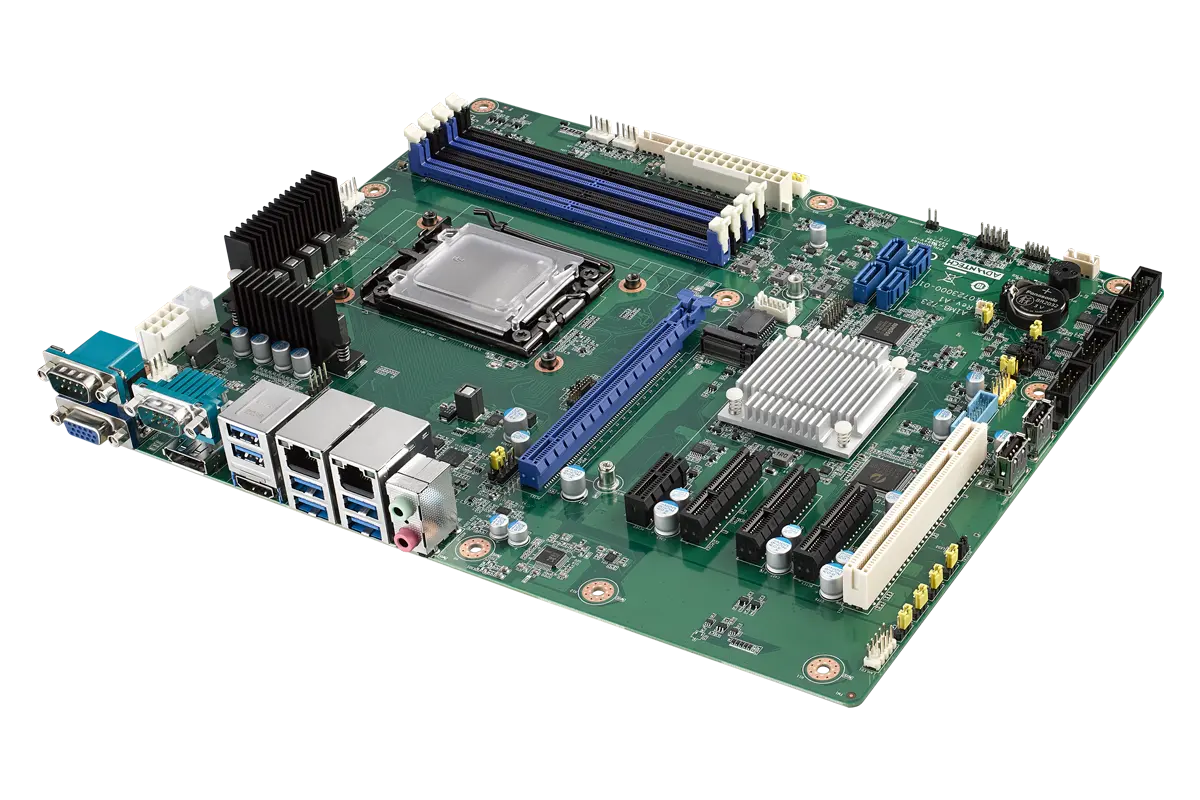
Throughout history, the processing arena has been dominated by two primary architectures: ARM in comparison to x86. Neither platform shares identical capabilities, leading to a fierce competition for market share. While x86 as the experienced design, has long held the crown in laptop and mainframe segments, ARM's growth has been truly remarkable.
ARM's low-energy competency, coupled with its flexibility, has made it a chosen choice for smartphones and embedded platforms. However, ARM is now venturing to conquer new domains, including portable devices and cloud centers. The intent has sparked reactions from traditional x86 magnates, who are countering with advanced creations to maintain dominance.
- Core distinctions in structures impact program execution, power consumption, and overall system design.
- The transforming priorities of end-users are driving the demand for more enhanced computing solutions.
In summary, the fight between ARM and x86 represents an adaptable and progressing domain, with both platforms continuously evolving to meet the demands of a rapidly changing world. The outcome of this fight remains to be seen, but one thing is certain: the future of computing will be shaped by the innovations and advancements of these two titans.
arm vs x86Deciding Between ARM and x86 in Terms of Speed
During the progressively advancing hardware realm, selecting the leading computational model can be a intricate procedure. Two titans dominate the market: ARM and x86. Both offer compelling merits, but their performance characteristics diverge significantly. This comprehensive analysis delves into the nitty-gritty of each architecture, empowering you to make an informed decision.
- Performance
- Draw
- Budget
We'll analyze evaluation scores, real-world examples, and the positives of each architecture, helping you identify which platform best suits your expectations.
Why ARM Dominates x86 in Integrated Systems
ARM silicon solutions dominate embedded hardware arenas. This preeminence results from assorted notable origins. First, ARM's schema features low wattage, making it ideal for devices with limited power budgets. Second, the ARM ecosystem comprises an ample and dynamic team of developers and hardware partners, providing ample support and improvement. Finally, ARM's adaptable patent strategy facilitates modifications for particular tasks, leading to a wide range of solutions. These factors have unified to highlight ARM prominence for countless embedded devices, from smartphones to smartwatches and even industrial mechanisms.
Prime x86 SBC Choices for Heavy Usage
Picking the optimal x86 single board system is complex, especially when you're a proficient user. You need a device that can support rigorous applications, offer durable efficiency, and provide a platform for intensive projects.
- Countless components determine the superior SBC alternative, including processing power, RAM capacity, storage options, connectivity features, and community support.
- For committed technical users, a board with a high-performance CPU such as Intel i5 or AMD Ryzen 5 is essential.
- Accompanied by adequate DRAM and accelerated storage call for smooth and efficient operation.
Resist the temptation of minimalistic SBCs; invest in a platform that can effectively boost your initiatives.
Detailed Examination of x86 SBC Platforms
Investigating budget-friendly x86 SBC devices is highly appealing. These nimble solutions afford wide-reaching benefits for learners. From building connected living setups to coding innovations, x86 SBCs provide a multi-purpose, low-cost platform for research. This guide will equip you to understand the expanding x86 SBC market, exposing possibilities of these clever instruments.
- Survey progression and importance of x86 SBCs in IT infrastructure.
- Analyze common x86 SBC brands through features and user focus.
- Comprehend key modules constituting x86 single board electronic setups.
- Dive into the world of x86 SBC software, including operating systems and development tools.
- Unveil pioneering use cases for x86 single board devices in diverse sectors.
Expansion of ARM Architecture Within Desktop Segments
While usually acknowledged for handheld device prevalence, ARM architecture is steadily making inroads within PC segments. Several factors contribute to this shift, including the increasing demand for energy-efficient computing and the growing popularity of cloud-based applications. Manufacturers including Apple integrate ARM cores in portable computers, demonstrating the potential for high capability. This trend is further fueled by the development of new schematics specifically tailored for desktop workloads. As these innovations mature and become more widely available, we can expect to see ARM's presence enhance considerably during upcoming durations over the PC ecosystem.
x86 vs ARM What Architecture Suits Your Needs
While opting for a new device, two primary silicon blueprints appear: x86 and ARM. Both offer distinct features, making the decision a matter of fitting your needs with the right platform.
Historic x86 blueprint is admired for reliable power and comprehensive software inventory It rules in desktops, laptops, and workstations, particularly for demanding tasks like gaming or video creation. ARM, on the other hand, stresses energy efficiency and a compact design. This forms it ideal for mobile devices, embedded systems, and increasingly, distributed computing.
- Evaluate your chief utilization need: Are you a technician? Do you need raw power or frugal energy consumption?
- Research the software compatibility for each architecture. Not all applications are available on both platforms.
- Reflect on budget and stock status associated with CPU type.
Miniature and Impressive Premium ARM Single Board Computers
Single board hardware has expanded widely, led by ARM cores for multi-use and efficiency. These compact instruments pack a surprising punch, offering incredible capabilities within a small footprint. For hobbyists, makers, and even professionals, ARM-based SBCs provide a robust platform for everything from learning about electronics to building fully functional devices. Whether you're looking for a budget-friendly option or a high-performance powerhouse, there's an ARM-based SBC out there to meet your needs.
- Join us in investigating prominent choices in this growing industry!
Analyzing ARM and x86 Computation Tests
When comparing ARM versus the established x86 model through performance metrics we notice intriguing outcomes. While x86 has traditionally commanded execution strength, particularly for compute-heavy uses, ARM solutions continuously meet challenges, especially in areas like mobile performance and energy efficiency. The recent surge in popularity of ARM-based processors for laptops and desktop PCs further fuels this competition. It's important to note that benchmark results can be affected by numerous variables, including the specific type evaluated, usage intensity, in addition to system software. Therefore, it's crucial to evaluate evaluations thoughtfully above mere counts.
Does ARM Displace x86 to Prevail as Main Architecture
The electronic sector perpetually adjusts, and one of the most absorbing progressions show ARM's broad adoption. While x86 has long led the market, ARM's effectiveness secures expanding favor. This has led to debate that ARM may well overtake x86 as the prevailing architecture.
- Countless influences stimulate this evolution: ARM's energy-efficient design is particularly attractive for mobile devices laptops and even servers.
- Furthermore ARM's open licensing model has fueled innovation within the ecosystem, forming extensive series of ARM-enhanced microchips.
Yet x86 preserves a commanding market share. Principal companies commit sizeable funding for x86 innovation, and existing infrastructure continues functioning as before.
To sum up, it is ambiguous whether ARM will exclusively overshadow x86. The hardware evolution depends on tandem development of these formats, with each fulfilling its role throughout varied technology sectors.
Insights into ARM and x86 Harmonization in Computation
Technology continues to transform at an unprecedented pace. Once distinct architectures, ARM and x86 are now on a collision course, converging to reshape the future of processing power. This convergence introduces transformative possibilities for developers and consumers alike. ARM's energy efficiency and compact design have made it the dominant force in mobile devices, while x86 has long reigned supreme in desktops and servers. However, there is a growing overlap, driven by factors such as the increasing demand for mobile computing and the rise of cloud services.
- This combination could yield multiple innovation forms, powered by hybrid architectures that leverage the strengths of both ARM and x86. This could result in improved mobile technology with greater battery duration and cost-effective server solutions.
- Likewise coders experience augmented tool arrays, enabling them to create innovative applications that push the boundaries. The future of computing offers significant hope, with ARM and x86 convergence playing a pivotal role in shaping the next generation of technology.