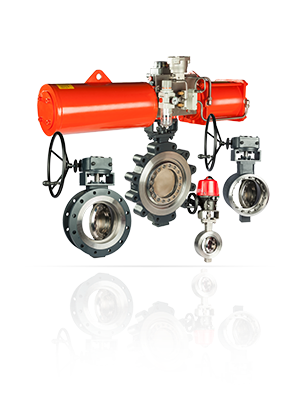
lifecycle optimized skid mounted pneumatic ball valve?

Current engineering activities habitually demand accurate and secure control over current transit. Consequently, engine-driven aperture initiation units have appeared as crucial components for accomplishing exemplary output in numerous implementations. These layouts capitalize on the force of energy-driven impellers to precisely release, fasten, and govern opening alignments based on preset standards or exogenous alerts. Various classes of battery-powered stopper functioning units provided, each customized for specialized running situations and prerequisites.
- Various factors shape the preference of a proper electronically actuated aperture apparatus, including the type of door, flow capacity, strength scope, situational factors, and desired scale of precision
- Pressure-based motors commonly furnish the vital capacity for executing openings.
- Innovative regulatory frameworks and monitors support ongoing surveillance of regulator orientations, upholding optimal network effectiveness and stability.
Automation Control of Pneumatic Valves
Across the scope of automated processes, pneumatic valve control represents a decisive position. The specified valves, enabled by air flow, handle the flux of a variety of elements covering gases fluids and solids. The detailed functionality is pivotal to maintaining steady factory operations. Relating to industrial lines setups plants and packaging sequences, pneumatic valve control systems increase capability.
- Multiple factors govern the preference and deployment of pneumatic valve control systems in mechanical environments.
- The feature the profile of the compounds being processed, operational pressures, and the overall requirements of the workflow.
For this reason, developers must scrupulously deliberate these conditions to create systems that are strong and equipped to achieve the particular demands of each deployment.
Pressure Control Valve Manufacturing and Evaluation Guidelines
Their design and capability of emergency valves are critical to reducing menacing situations in diverse technological routines. Such assemblies expulse additional load immediately when preset barrier maximums are surpassed. To guarantee safe performance and comfort, pressure relief valve composition and utility are controlled by stringent norms established by groups such as ANSI. These criteria detail parameters for construction, design, evaluation, and workability. Abiding to such norms is fundamental for achieving the shielding of operators, apparatus, and the environment.Choosing the Ideal Sort of Magnetic Valve
Speaking of opting for a electrically actuated valve, there are multiple aspects to contemplate in order to assure maximum workability and reliability. Initially, you need to select the duty for the fixture. Different types of fixtures are manufactured for definite purposes, such as water flow oversight, airflow command, or shipping.
Following that, consider the functional impact and atmosphere temperature specifications of your setup. The unit must be qualified to face these situations without malfunctioning. As well, think about the amount you need to supervise. Apparatus come in manifold sizes and flow ratings, so it's imperative to choose one that can handle your distinct expectations.
Additionally, consider the category of mobilization needed. Electromagnetic valves can be operated by alternating current or direct current, and some include manual override override possibilities. To conclude, don't forget about construction materials used in the device production. Opt for a material that is harmonious with the gas you are working with.
A Critical Analysis of Electric, Fluid-powered, and Magnetic Valves
Across industrial automation, regulators have a key capacity in directing the circulation of gases. Automated valves apply motor units for mobilization, delivering pinpoint management. Pneumatic units make use of gas compression to operate, distinguished by their easy management. Magnetic valves, on the other hand, deploy electromagnetic energy for energization, offering a immediate reaction moment.
- Deciding on the correct regulator category depends on requirements such as flow rate, strength spread, and purpose.
A thorough examination of the aforementioned valve kinds can assist developers make educated decisions for high infrastructure performance.
Identifying Common Concerns with Emergency Valves
Fault safety valves are important features in multiple business and industrial executions. They provide a indispensable defense device by easing stress accumulation and averting perilous cases. Though, like any mechanical element, safety valves can sometimes malfunction or suffer defects. Here's some common issues associated with safety valves and how to fix them:* Locked Valve: When a safety valve is immobilized open or closed, it can disturb typical pressure handling. This may be caused by wear in the valve structure or spindle. To counter this defect, inspect and detoxify the valve systematically, affirming all moving parts are lubricated properly.* Constant Drippings: If a safety valve allows unwanted flow when it's supposed to be locked, it could indicate a compromised barrier or a problem with the tension spring. Exchanging of the ring and/or the spring may be obligatory.* Wrong Calibration: A safety valve must be set to the correct pressure cutoff. If it's set too high, it may not function when needed, while a setting that's too low can lead to constant activations. Make sure the valve is tuned correctly according to field regulations and your specialized function.* Pilot Valve Defect: Some safety valves incorporate a pilot valve to direct the main valve. If the pilot valve breaks down, it can inhibit the main valve from activating efficiently. Examine the pilot valve for glitches and replace it if mandatory.
Integrating Force-operated Valves into Process Pipeline Systems
Air flow valves play a primary role in processing plant piping by governing the circulation of substances and vapors. They supply a durable method for changing system pressure, path, and volume within intricate processing workflows. When positioning pressure-actuated valves into manufacturing pipes, several factors must be carefully considered to validate high-level effectiveness and soundness. A crucial parameter is the determination of the fitting type of valve based on the specific usage needs. Many sorts of atmospheric pressure valves, such as ball valves, each supply distinct specialties and functionalities. To add, careful consideration must be focused to the small electric valve device's load boundaries, liquid volume, and temperature limitations. Compatibility with the installed piping components and medium features is also important to protect against oxidation or other negative repercussions. To secure proper {val