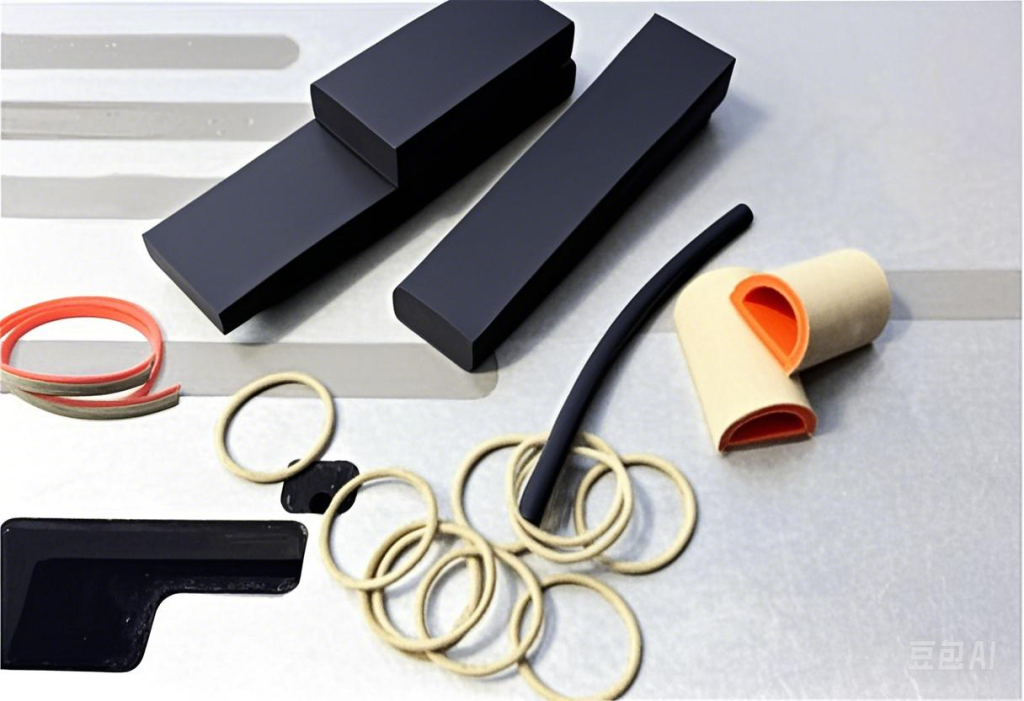
How does PDMS interact with adhesives in multilayer electronic assemblies?
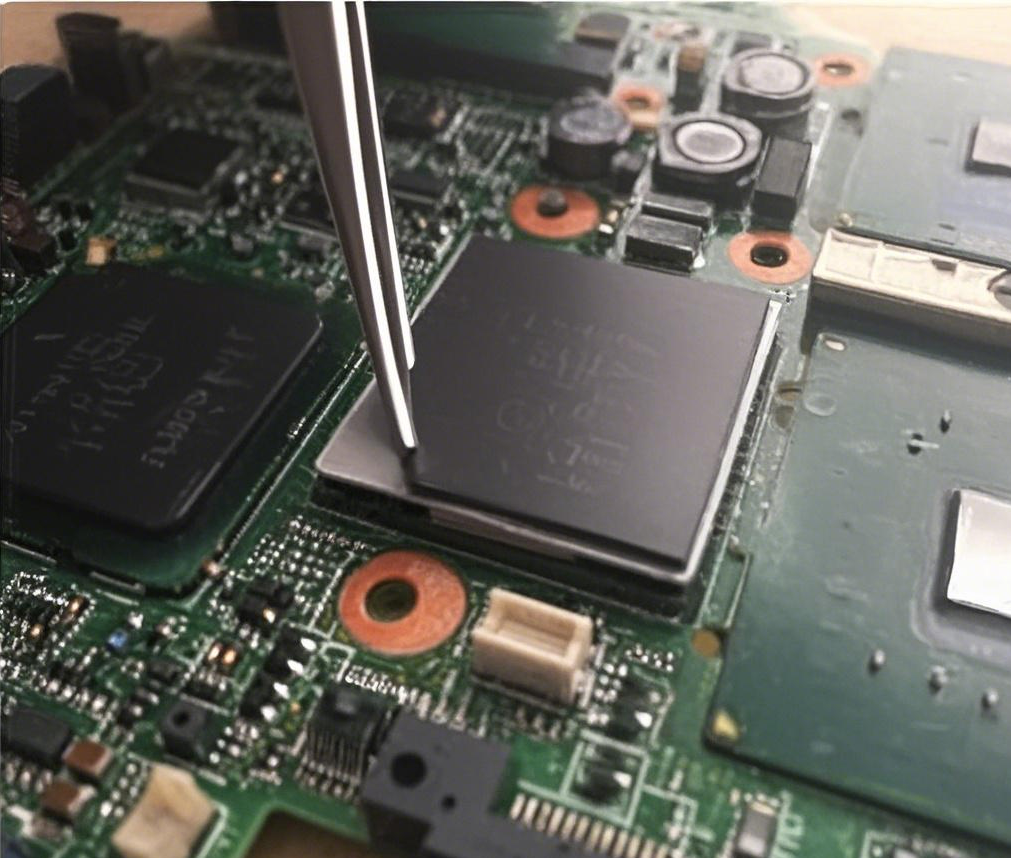
Starting the herein exposition features insights addressing polymer silicone combined with electroconductive silver-loaded elastomer pads with regard to radio frequency interference mitigation.
Siloxane elastomer compounds are broadly employed aimed at adaptable operations on account of their superior fortitude and elemental resilience. Nonetheless, their characteristic scarcity of charge transfer limits the utility in certain device-oriented implementations.
The embedding of electrically responsive submicron additives, especially silver-coated distributed within the silicone base, develops a cohesive effect causing an electron-carrying framework capable of high-performance EMI protection.
The described methods equip units Conductive SR to mitigate detrimental radio disruption.
Enveloping Electrical Segments: This Task of Polymers and Electron-carrying Membranes
Powerful sealing of technological segments is vital in rigorous environments. Elastomers, with the superior malleability and environmental immunity, grants noteworthy liquid seal capabilities. Nevertheless in implementations requiring shielded stability, current conducting seals, often manufactured from charge transporting compounds, can be indispensable to block radio disruption and secure steady running. This combination of Polymers coupled with charge transporting closures stands for a powerful method toward obtaining strong capability in up-to-date appliances.
EMI Protection Seals: Enhancing Effectiveness via Charge carrying Silver composite Elastomer coupled with silicone compound
{Consistent electronic electrical noise defense closures operate as indispensable for preserving sensitive device instrumentation and configurations from unwanted transmitted flowing noise. Advanced designs often integrate a fusion of conductive Silicone SR and PDMS to attain optimal performance. Conductive SR provides high-quality electrical electron transfer, facilitating a robust conductive route for removing disruptive signals. Meanwhile, PDMS offers enhanced flexibility, compression set, and weather-related endurance. Methodical material screening and structuring techniques, such as a delicate layer of SR within a PDMS matrix, improve both shielding performance and long-term soundness.
- Examine diverse material blends taking into account on scenario requirements
- Establish suitable closure tightness for uniform contact
- Examine barriers routinely to validate efficiency
This synergistic model produces in EMI gaskets that ensure unequalled protection and sustainability.
Siloxane compound Conductive SR Barriers: Safeguarding Electronics from Invasion
Regarding important digital devices, electromagnetic pollution can lead to detrimental effects, triggering to faults including content decay. Siloxane compound electron-transmitting silver-loaded elastomer components deliver effective dependable technique implementing delivering advanced effective defense resisting these interventions. These components, habitually fabricated containing silicone base material mixed by conductive powders, develop improved reduced impedance track allowing ground, eliminating signal noise besides wireless range pollution signal. An flexible setup permits tight secure encapsulation particularly along bumpy platforms, making such gaskets advantageous meant for applications within clinical machinery, signal transmission frameworks, combined with numerous industrial settings. Employing an Silicone elastomer electronically active silver-loaded elastomer interface acts as effective preemptive method designed to protect assembly soundness with maintain running durability.
Maximizing Electrical Component Enclosure with Polymer Silicone-Based Signal Disruption Attenuation
Robust device unit insulation presents a crucial challenge in state-of-the-art formulation due to intensifying electrical noise. Silicone enables a effective method when integrated with current-conducting elements to establish secure EMI shielding platforms. This approach not only boosts device productivity but also curbs a likelihood of decline causing from external electrical noise risks.
Electrical Conductivity SR Optimization in PDMS Interfaces for Enhanced EMI Attenuation
Cutting-edge gaskets fabricated from polydimethylsiloxane (PDMS), incorporating electrically-active fillers, prove significantly improved mitigation performance against electromagnetic interference (EMI). The joining of compounds like carbon nanotube nanotubes or nickel grains provides a pathway for energy transmission movement, thereby creating a more sturdy electromagnetic barrier. This electrically-active increase in gasket efficiency is critical for high-value electronic units requiring unmatched EMI defense in various environments. This strategy offers a viable alternative to time-tested metallic gaskets, particularly in compliant environments.
Evaluating the Right EMI Blocking Gasket: PDMS vs. Conductive SR Variants
Selecting proper wireless blocking closures demands precise inspection of diverse grounds. Traditionally, charge carrier Silicone Rubber (Silver rubber) is a regular decision; however, Dimethyl Silicone elastomer (PDMS) presents as a realistic proxy, especially where crushing amounts are limited or compound matching is key. PDMS supplies advanced compliance and permits handle smaller limits, albeit showing excellent protection efficiency.
Modern Enclosure Strategies: PDMS, Electrically-active Silver-loaded elastomer, and Technological apparatus Preservation
State-of-the-art enclosure strategies are markedly essential for safeguarding sensitive electronic devices. PDMS, with its remarkable pliability and material immunity, offers superb ambient barriers. Furthermore, conductive silicone base grants electrical discharge removal, counteracting electric incident happenings. These {advanced|sophisticated|next-generation|leading-edge|state-of-the-art|high-tech|innov