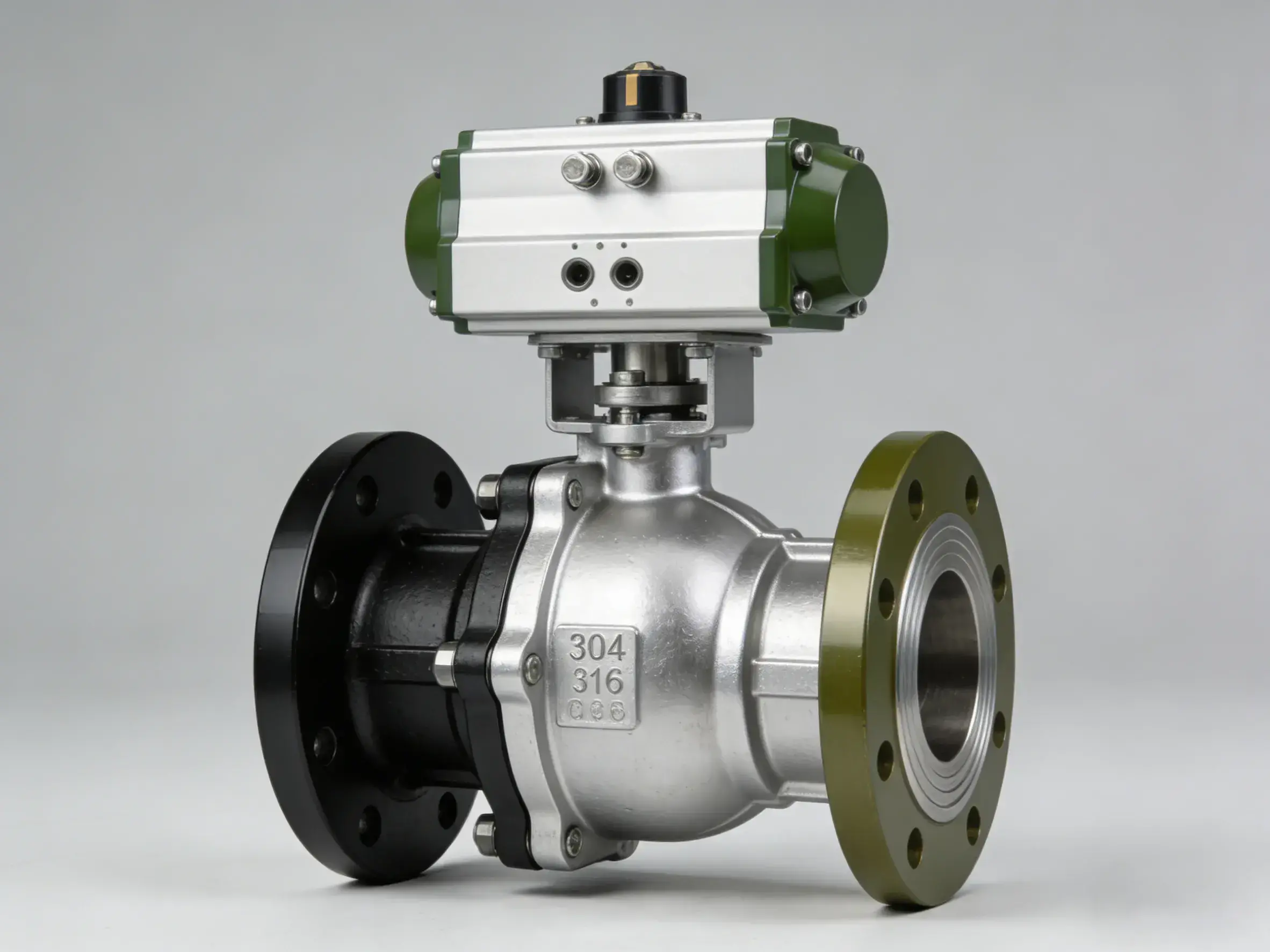
high temperature ready process grade globe regulation valves line?
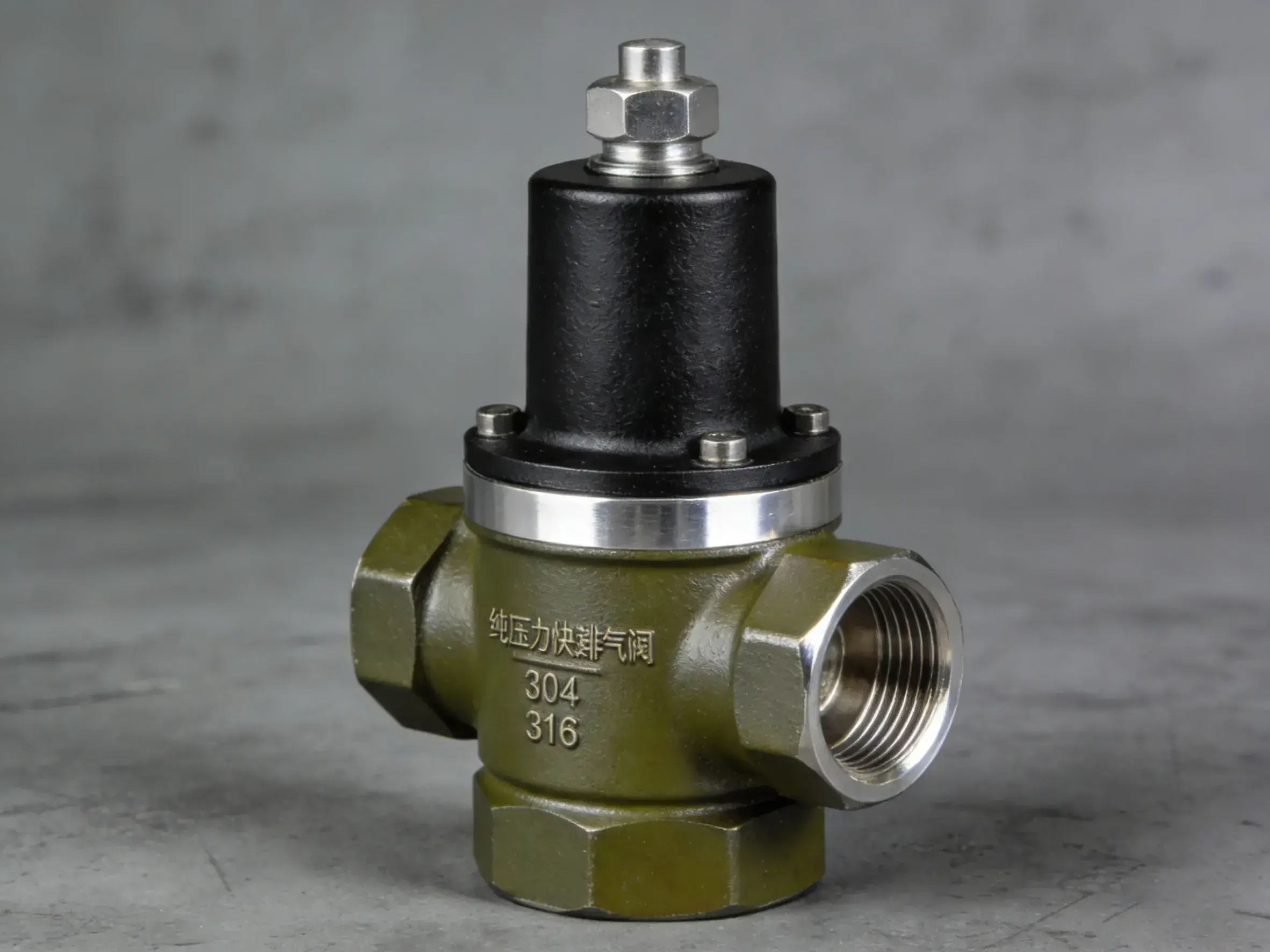
Paramount industrial valve picking improves process performance and overall system performance. In order to maintain optimum operation, it is necessary to scrupulously select valves that correspond to application specifics.
A comprehensive valve selection guide should consider a scope of elements like fluid characteristics, pressure ranges, thermal conditions, discharge velocity, and regulatory necessities. In addition, pinpointing the suitable valve trigger system including pneumatic, hydraulic, or electric is vital.
Butterfly Valve Performance: A Comprehensive Analysis
Evaluating primary effectiveness measures for butterfly valves is critical for technicians aiming for trustworthy and productive system function. Study focuses on fundamental components affecting butterfly valve efficacy, embracing constituent traits, application surroundings, and measuring processes. Via detailed evaluation of those factors, the text seeks to offer an extensive comprehension of influences on butterfly valve effectiveness.
- Configuration elements significantly affect comprehensive effectiveness
- Makeup of valve shell intensely affects ruggedness within variable operational settings
- Fluid pressure loss stands as significant parameter for estimating butterfly valve productivity, mainly at boosted throughput levels
Ball Valve Deployment in High-Force Scenarios
Ball valves manifest as strong choices for addressing raised pressure challenges. Their basic scheme involves a spherical piece with an inlet that rotates to manage fluid transit. This framework proficiently deals with amplified pressure phases thanks to its firm sealing.
Throughout areas like petroleum, ball valves carry a significant responsibility in directing raised pressure tubing. Their sturdiness designates them well-suited to tolerate the force of intense pressure substances.
- Furthermore, ball valves are known for their quick operation, allowing for efficient flow regulation.
- Supplied in varied matter and measures, ball valves personalize to match exclusive needs of diverse boosted pressure sessions.
Comprehending Different Valve Categories and Their Roles
In fluid engineering, valves bear a significant responsibility steering movement of liquids and gases. Deciding on applicable valve model is necessary to maximize performance. Valves are grouped according to their working basis, architecture, and intended purpose. Frequently encountered valves encompass gate, globe, check, ball, and butterfly models. Each form shows singular qualities, matching them to custom applications. For instance, gate valves are used for regulating flow completely, while globe valves provide fine control over flow rate. Check valves stop undesirable return flow, securing single-direction transit. Ball valves show accelerated and secure on-off tossing, whereas butterfly valves operate competently in substantial capacity contexts.
Advancing Fluid Steering by Industrial Valves
Adjusting flow constitutes a fundamental element within diverse industrial tasks. Valves are key elements adjusting flow of liquids and gases throughout processes. Selecting suitable valve designs alongside planned steering techniques supports enterprises in raising operational output, secured environments, and quality benchmarks.
A crucial component in advancing fluid governance entails comprehension of different valve purposes. Diverse valve blueprints adjust to tailored flow peculiarities, pressure magnitudes, and application contexts. Such as globe valves frequently serve for modulating flow, and ball valves succeed in full closure roles.
To ensure precise flow regulation, it's essential to consider factors such as valve sizing, actuation mechanisms, and control systems. Applying high-tech control frameworks including PLCs grants mechanized flow oversight and alteration, raising operation quality.
Frequent servicing of industrial valves is important to deter malfunctions and sustain accurate fluid regulation. Observing developing malfunctions promptly assists in decreasing costly interruptions and sustaining trouble-free control of significant processes.
Support Measures for Operational Valve Assemblies
Consistent servicing of plant valves remains vital for maintaining steady and dependable performance in all manufacturing areas. A systematic timetable ought to be enforced, with ongoing reviews to discover latent defects before notable faults arise. Smearing oils on valve components conforming to fabricator details markedly lengthens service duration and curbs wear. In addition, sustaining valves in a clean state by eliminating detritus fosters smooth operations.
A full restoration plan should involve meticulous tracking of valve service activities, including times, employees, and parts swapped. Attentive reporting supports following up valve health through time and improves sagacious planning for maintenance cycles.
Automated Control of Valve Systems
Automated advancements have reshaped valve operation techniques in different markets. Using automated processes supports refined valve governance, mitigating human factor and upgrading process outcomes. Computerized valve handling yields distinct positives such as better positioning, cut downtime, and increased safeguard
- Detectors are essential in automated valve setups, delivering instantaneous information about valve status. The system evaluates these signals to automatically alter valve controls
- Automation control modules routinely govern electronic valve tasks, enabling complex command strategies. They are capable of tracking valve status, detecting possible problems, and initiating remedial measures
Besides, robotic valve handling advances superior process observation. Compiling valve operational info aids managers in obtaining key insights to refine productivity and reduce outlays
Critical Safety Protocols for Installing Industrial Valves
In the process of fitting industrial valves on sites, thorough-safe guidelines are necessary. Breaching precautionary protocols invites perilous failures, conceivably producing system damage and essentially personal harm. A comprehensive hazard survey should be performed prior to installation identifying probable risks and deploying suitable protective protocols.
Ascertain all personnel executing assembly tasks have adequate education and licensing concerning valve usage and safety protocol adherence. Institute a systematic calendar of maintenance checks intended to spot malfunctions or wear on valves. Preserve comprehensive logs including every assembly, checking, and repair operation for reference purposes
- Meet mandated trade directives and provisions managing valve deployment and oversight
- Use fitting implements and technology developed for plant valve assembly
- Consult thoroughly with all agents linked to the operation to enable secure and effective assembly
Valves: Crucial Elements in the Process Sector
Within the involved area of production/manufacturing/industrial substrata, valves represent necessary items. They serve to regulate the flow of fluids within complex systems, ensuring operational efficiency and safety. Valves integrate broadly into numerous operations, involving handling of heat and pressure as well as transporting commodities
- Different valve categories arise, each devised to handle specific duties. Regular examples comprise gate, ball, and globe selections
- The selection of the appropriate valve depends on factors such as flow rate, pressure, temperature, and the type of fluid being handled
- Dependable valve operations remain critical in manufacturing contexts to avoid interruptions and guarantee output standards
Regular inspection of valves is essential for optimizing their lifespan and preventing potential failures
Modern Substances in Valve Fabrication and Engineering
The modernization of valve fabrication and development directly results from systematic integration of modern substances. These state-of-the-art substances yield an array of enhanced properties behind ordinary options, enabling designers to produce more proficient valves. Typical examples include solid ceramic compositions used for hardness amid demanding surroundings, combined with lightweight metal alloys enhancing output while decreasing heaviness. The employment of pioneering substances contributes to valves having superior sealing features, prolonged life cycle, and heightened protection from corrosion
Valve Actuation Mechanisms: A Comparative Study
{This investigation delves into the diverse valve actuation mechanisms prevalent in modern engineering applications|This exploration examines the varied valve drive technologies common in contemporary engineering uses|The study analyzes the mixed valve triggering systems typical in current engineering projects|This research evaluates the assorted valve Globe Valves motion methods widespread in advanced engineering scenarios|The survey inspects the multiple valve control techniques existing in up-to-date engineering solutions|This review considers the assorted valve operating mechanisms encountered in present-day engineering environments|This analysis explores the various valve activation systems found in progressive engineering implementations|The inquiry scrutinizes the heterogeneous valve act