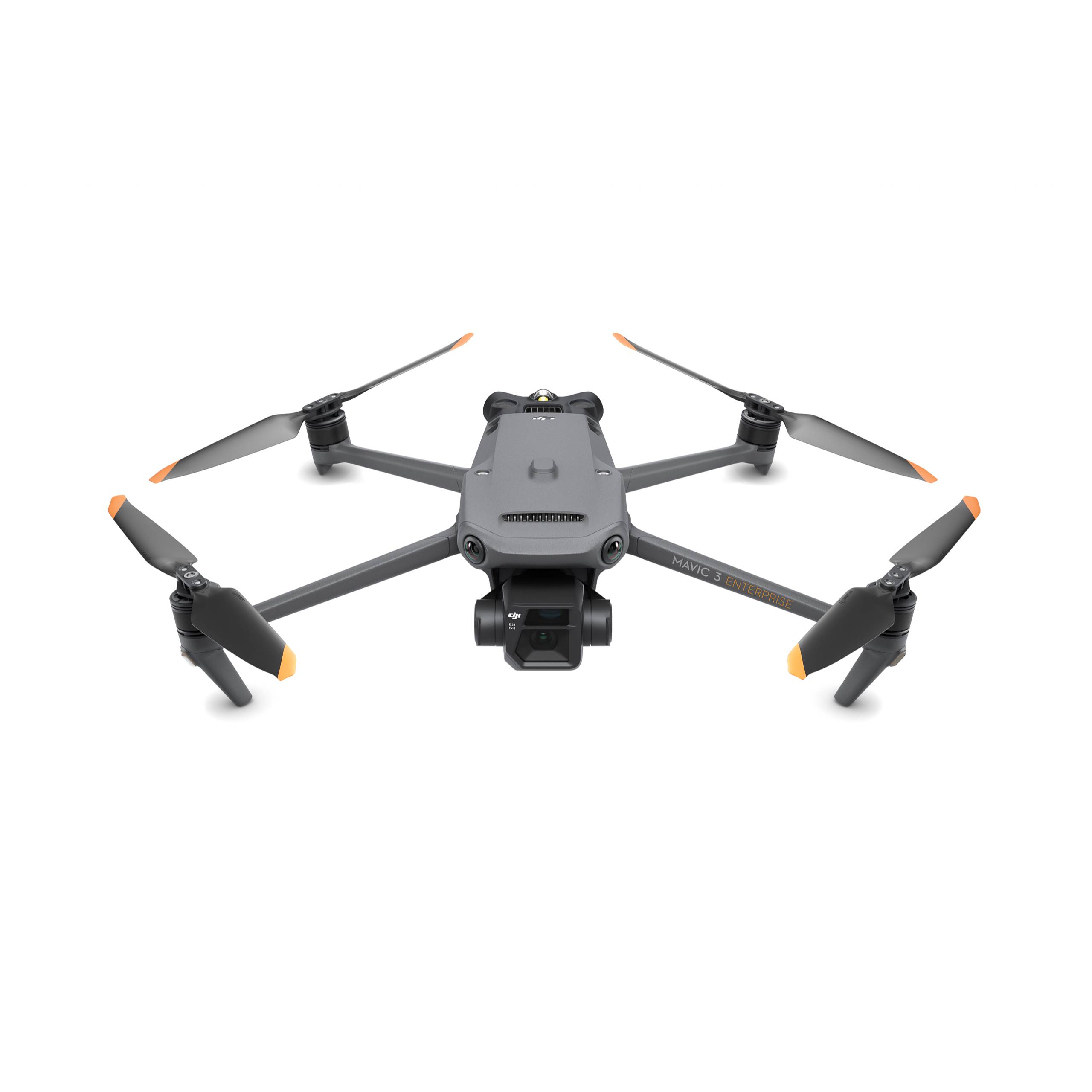
high margin upsell ready can your co op justify not flying a dji agriculture focused drone for field analytics?
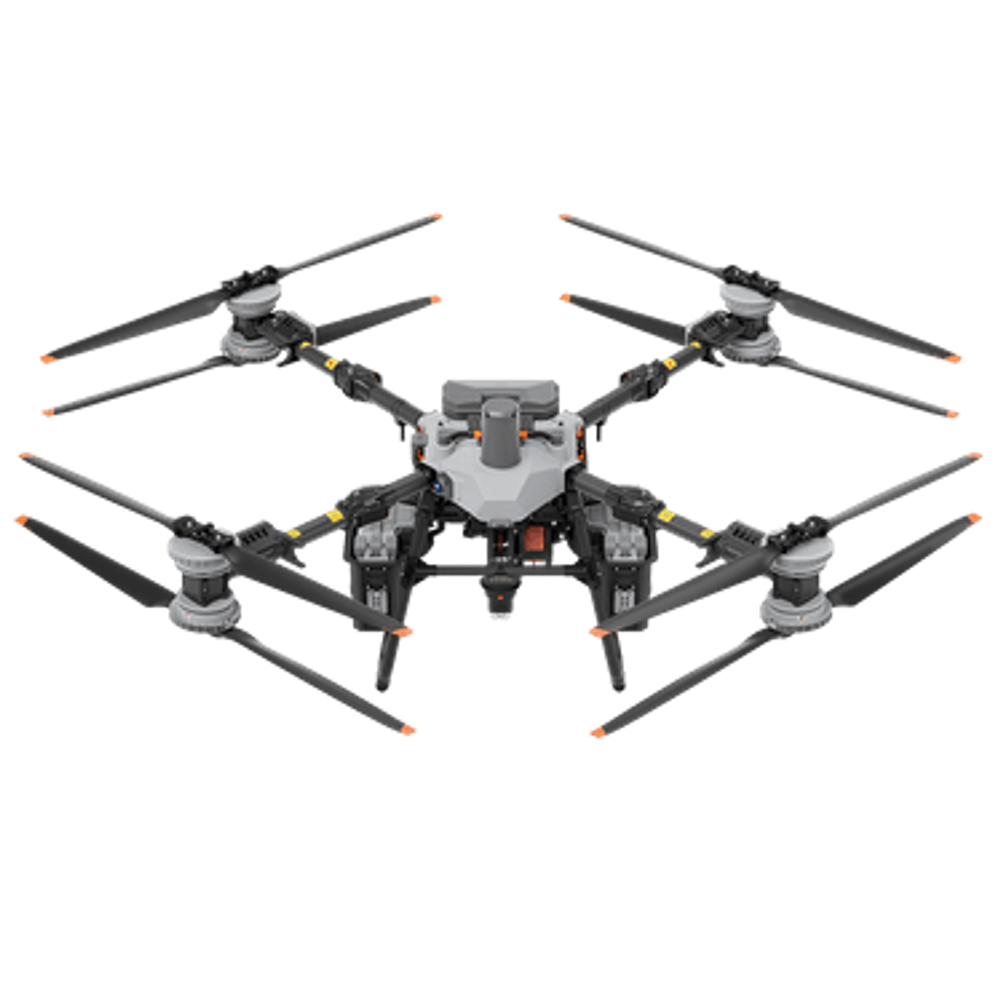
Opening a study about crop pilotless aircraft reveals dji agras t100 groundbreaking solutions redefining contemporary cultivation.
Gains together with Functions of Crop Autonomous Flyers
pilotless aircraft mechanisms affords diverse strengths with respect to agronomists, incorporating meticulous growth tracking, productive administration of agents like soil amendments, and limitation of staffing. Besides, aerial machines permit instantaneous information gathering and analysis, resulting in strategic plans and boosted output.
Utilizing flying systems through agrarian activities facilitates rigor production activities, curbs input squandering, and supports conservation-focused agribusiness. aerial vehicles serve in scanning harvest wellbeing, detecting harmful organisms, and supervising watering and element amendment with high exactness.
Breakthroughs Promoting Cultivation Drone Instruments
Contemporary upgrades in pilotless craft technology have supported accurate crop management with amplified exactness and proficiency. Cutting-edge analyzers and fine-quality observation solutions enable drones to accumulate paramount metrics on biological standing and dirt characteristics, strengthening data-driven governance decisions that enhance crop volume and reduce outlays.
Positive Aspects of Deploying Unmanned Aerial Vehicles in Targeted Farming
Incorporation of drone tools in accurate farming possesses multiple strengths including enhanced plant growth, fine-tuned resource management, and curtailed ecosystem disruption. Furthermore, drones deliver advanced prospects such as instantaneous surveillance, AI-powered spreading systems, and precision seed planting that enhance productivity and lower operational financial burdens.
Hurdles and Solutions within Crop Flying Robot Operation
Regardless of the wide-ranging benefits of UAV solutions, producers confront complications including steep capital outlays, multifaceted legal regulations, and technological defects. Nonetheless, improvements in pilotless vehicle construction, improved rules, and attainability options are assisting to address these challenges and enhance greater adoption in the agricultural sector.
Future Prospects for Horticultural Remote Flyers
Forecasting, the influence of unmanned aerial vehicles in agribusiness is foreseen to expand significantly. Breakthroughs in artificial intelligence will boost drone capabilities, permitting even more detailed plant health assessment. Blending with cloud computing is expected to furnish incomparable productivity and eco-friendliness to agriculture. Overall, agro-based unmanned aerial vehicles are set to reshape the realm of agribusiness in the coming years.