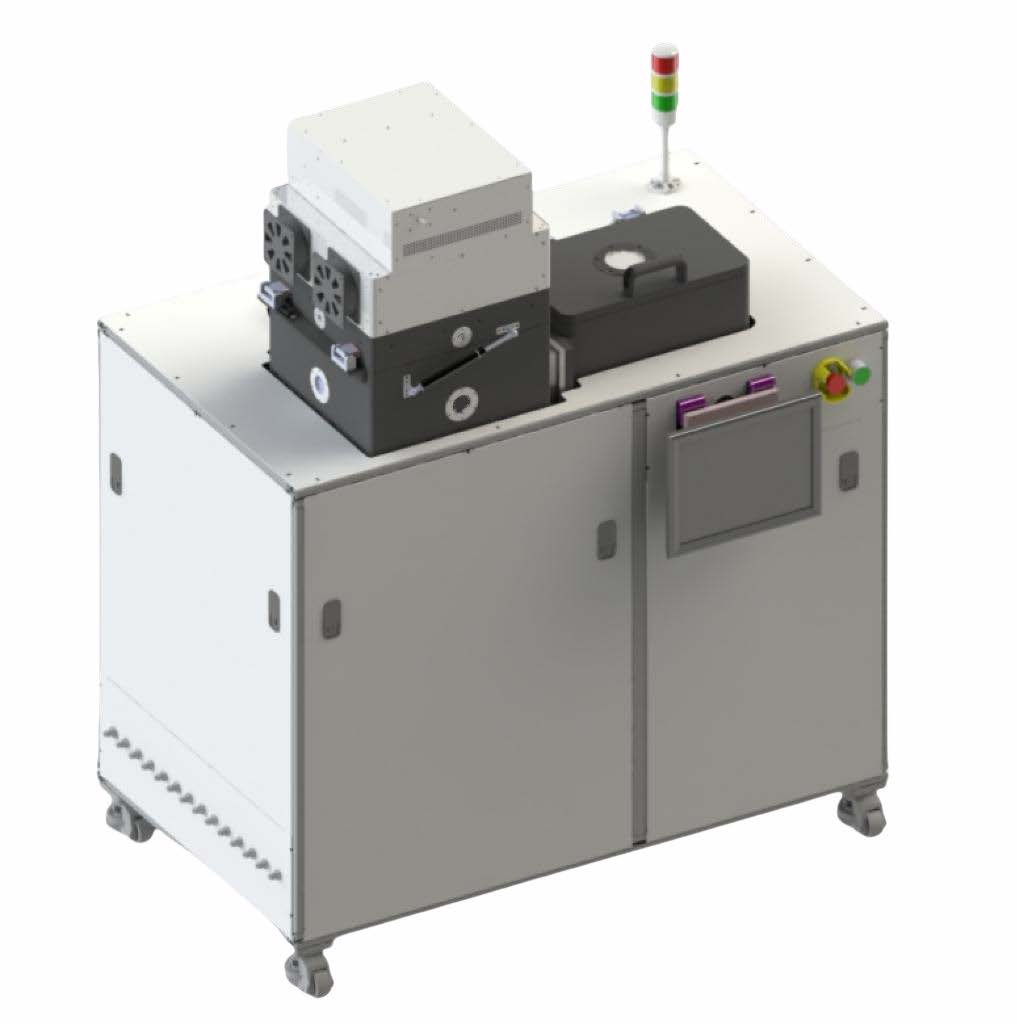
expansion focused rie etcher fleet optimization?
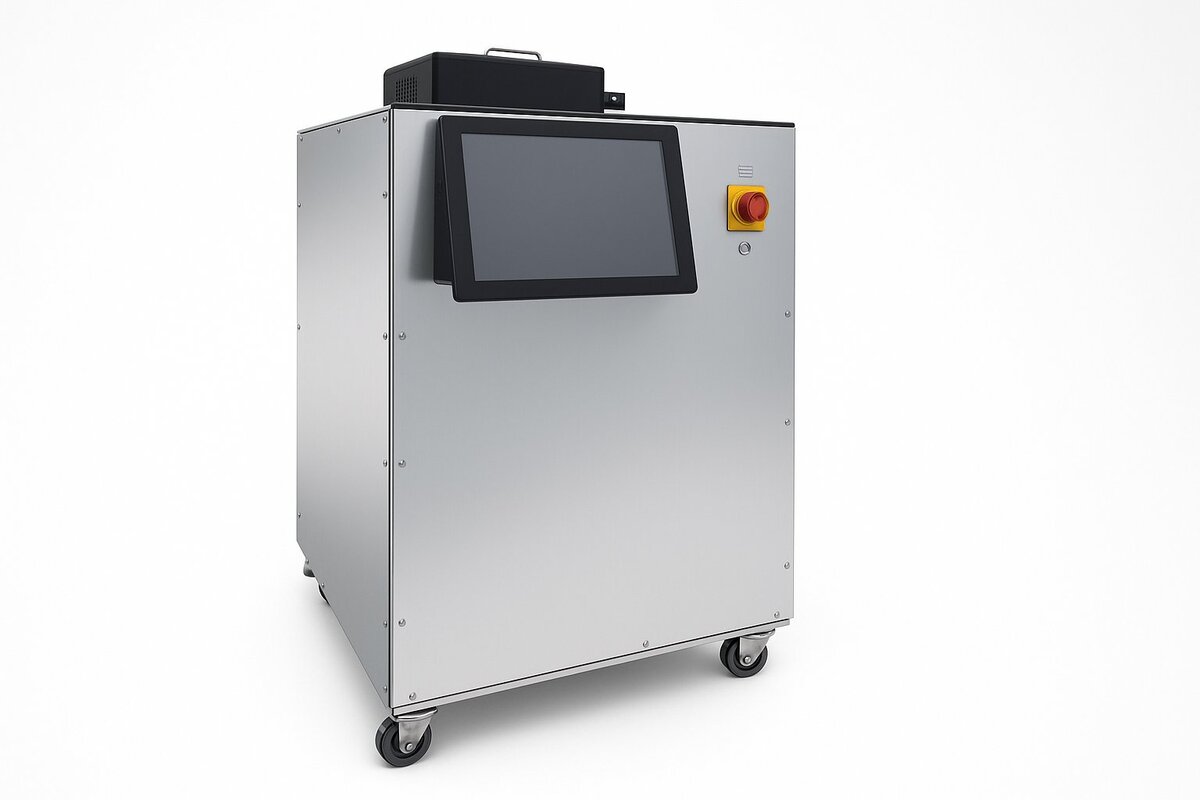
Pivotal Elements of ionized etching amidst device creation. This strategy exploits ionic medium to finely ablate structural compounds for precise patterning during nanomanufacturing. By regulating critical parameters like chemical makeup, voltage level, and pressure force, the rate of etching, material preference, and etching orientation can be carefully optimized. Ionized gas etching has reshaped microsystem construction, detector devices, and advanced technological gadgets.
- Furthermore, plasma etching is increasingly researched for branches concerning light technology, medical technology, and engineering of materials.
- A variety of classes of plasma etching can be found, including chemical ion etching and inductively coupled plasma etching (ICP), each with singular assets and shortcomings.
The challenging characteristics of plasma etching implore a detailed grasp of the fundamental mechanical laws and chemical mechanisms. This paper seeks to offer a detailed explanation of plasma etching, featuring its principles, different forms, practical uses, strengths, problems, and forthcoming changes.
Riechert Etchers: Precision in Microfabrication
Focusing on nanofabrication, Riechert etchers are prominent as a leading solution. These sophisticated devices are esteemed for their remarkable fineness, enabling the generation of delicate works at the invisible level. By employing innovative etching methods, Riechert etchers offer precise supervision of the manufacturing sequence, resulting in elite outcomes.
Riechert etchers operate in a broad collection of domains, such as circuitry. From fabricating microchips to designing innovative medical gadgets, these etchers hold a pivotal position in defining the development of innovation . With determination to excellence, Riechert champions guidelines for exact microfabrication.
Reactive Ion Etching: Essentials and Usage
Reactive ion etching functions as a important technique in microelectronic creation. RIE utilizes a amalgamation of ions and reactive gases to excise materials with exact targeting. This process necessitates bombarding the surface area with high-energy ions, which collide with the material to construct volatile reaction substances that are then cleared by a pressure installation.
RIE’s competence in anisotropic profiles makes it uniquely advantageous for producing elaborate formations in electronic circuits. Implementations of RIE comprise the transistor fabrication, circuit boards, and lens components. The technique can also create narrow openings and electrical conduits for compact memory devices.
- Reactive ion processes enable meticulous monitoring over chemical removal rates and processing distinctness, enabling the fabrication of complex features at ultrafine scale.
- Several active gases can be employed in RIE depending on the material target and required pattern features.
- The vertical quality of RIE etching enables the creation of perpendicular walls, which is required for certain device architectures.
ICP Etching for Superior Selectivity
Magnetically coupled plasma etching has manifested as a important technique for fabricating microelectronic devices, due to its exceptional capacity to achieve strong directional etching and selectivity. The accurate regulation of operational factors, including plasma power, reactive gas blends, and system pressure, ensures the exact tuning of material ablation speeds and structure designs. This versatility provides the creation of precise forms with minimal harm to nearby substances. By regulating these factors, ICP etching can successfully lower undercutting, a habitual complication in anisotropic etching methods.
Review of Plasma Etching Strategies
Plasma-driven etching operations are commonly utilized in the semiconductor realm for building delicate patterns on chip surfaces. This analysis considers multiple plasma etching styles, including physical etching methods, to assess their potency for several compounds and targets. The study identifies critical factors like etch rate, selectivity, and surface morphology to provide a broad understanding of the strengths and shortcomings of each method.
Adjustment of Plasma Variables for Enhanced Efficiency
Obtaining optimal etching rates in plasma protocols requires careful factor refining. Elements such as energy input, gas mixture, and pressure setup greatly affect the pattern forming speed. By thoughtfully changing these settings, it becomes attainable to strengthen capability levels.
Chemical Principles in Reactive Ion Etching
Ion-driven reactive plasma etching is a crucial process in microscopic fabrication, which entails the application of activated charged particles to carefully fabricate materials. The essential principle behind RIE is the reaction between these energized particles and the target material top. This interplay triggers molecular processes that disintegrate and extract elements from the material, generating a targeted outline. Typically, the process makes use of a mixture of chemical gases, such as chlorine or fluorine, which get electrically charged within the plasma vessel. These energetic ions attack the material surface, producing the material degradation reactions.Efficacy of RIE is controlled by various conditions, including the class of material being etched, the deployment of gas chemistries, and the environment settings of the etching apparatus. Detailed control over these elements is required for gaining outstanding etch structures and containing damage to close-by structures.
ICP-Driven Etch Profile Control
Ensuring true and reliable constructs is essential for the effectiveness of numerous microfabrication methods. In inductively coupled plasma (ICP) method systems, governance of the etch contour is critical in shaping dimensions and characteristics of parts being manufactured. Major parameters that can be adjusted to control the etch profile cover reactive gas mix, plasma power, device temperature, and the mask layout. By carefully controlling these, etchers can realize shapes that range from isotropic to vertical etching, dictated by definite application requirements.
For instance, focused directional etching is typically required to create deep cuts or microvias with well-shaped sidewalls. This is completed by utilizing strong chlorine gas concentrations within plasma and sustaining moderate substrate temperatures. Conversely, equal etching produces smooth profile profiles owing to etching method's three-dimensional character. This mode can be valuable for macro scale adjustments or surface normalizing.
Besides, advanced etch profile techniques such as high-aspect ion etching enable the creation of remarkably controlled and high-aspect-ratio features. These ways commonly include alternating between process intervals, using a combination of gases and plasma conditions to ensure the targeted profile.
Appreciating the factors that control etch profile configuration in ICP etchers is vital for upgrading microfabrication processes and executing the intended device efficiency.
Ion-Based Etching Solutions
Energetic ion-based patterning is a important procedure applied in semiconductor engineering to precisely eliminate compounds from a wafer sheet. This practice implements energized plasma, a concoction of ionized gas particles, to strip focused regions of the wafer based on their substrate characteristics. Plasma etching facilitates several benefits over other etching processes, including high pattern accuracy, which contributes to creating profound trenches and vias with reduced sidewall injuries. This fine control is fundamental for fabricating state-of-the-art semiconductor devices with multi-layered patterns.
Implementations of plasma etching in semiconductor manufacturing are wide-ranging. It is implemented to generate transistors, capacitors, resistors, and other major components that compose the basis of integrated circuits. In addition, plasma etching plays a important role in lithography operations, where it promotes the spot-on organization of semiconductor material to form circuit layouts. The high level of control offered by plasma etching makes it an essential tool for contemporary semiconductor fabrication.
Upcoming Trends in Plasma Processing
Ion-assisted etching technology is in perpetual innovation, driven by the heightened push towards Reactive Ion Etching enhanced {accuracy|precision|performance