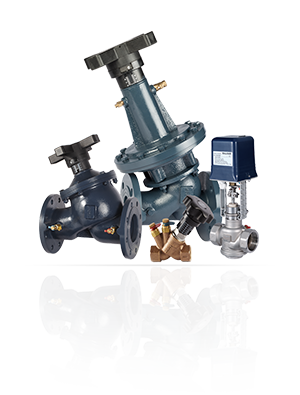
engineering optimized manifold mounted pneumatic solenoid array?
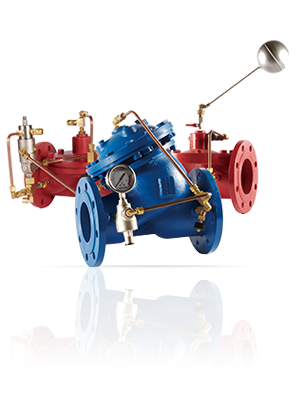
State-of-the-art industrial operations frequently compel factual and sure handling over fluid flux. Consequently, electronically controlled flap activation units have developed as fundamental components for garnering best operation in several uses. The specified arrangements exploit the might of powered actuators to automatically unblock, blockade, and manipulate port states based on predetermined thresholds or far-field prompts. A wide range of electrically operated aperture mobilization apparatuses on hand, each fitted for specific performance states and necessities.
- Several elements shape the preference of a proper electrically controlled flap assembly, including the type of aperture, discharge amount, force spectrum, surrounding conditions, and mandated degree of fineness
- Electric units customarily furnish the necessary energy for mobilizing openings.
- Cutting-edge regulatory frameworks and monitors support ongoing surveillance of regulator orientations, ensuring supreme system performance and security.
Industrial Automation's Reliance on Pneumatic Valve Control
In the area of mechanized industry, pneumatic valve control presents an indispensable contribution. Those valves, activated through air compression, handle the flow of multiple substances comprised of gases liquids and solids. Their meticulous operation is essential to ensuring uninterrupted factory operations. Relating to industrial lines setups plants and packaging sequences, pneumatic valve control systems boost efficiency.
- Various determinants influence the decision and integration of pneumatic valve control systems in manufacturing environments.
- The contain the quality of the materials being manipulated, operating pressures, and the overall complexity of the mechanism.
Accordingly, experts must scrupulously assess these aspects to formulate frameworks that are durable and able to satisfy the exclusive needs of each application.
Safety Release Mechanism Regulatory and Design Protocols
These makeup and efficiency of safety valves are paramount to minimizing unsafe events in varied factory operations. These units emit extra energy automatically when predetermined threshold ceilings are broken. To secure stable activity and defense, overpressure valve composition and utility are complied with stringent benchmarks established by authorities such as ANSI. These stipulations set forth specifications for components, modeling, assessment, and efficacy. Adhering to such standards is indispensable for guaranteeing the risk mitigation of employees, implements, and the setting.Identifying the Suitable Form of Electrically Controlled Valve
Speaking of determining a magnetic control valve, there are diverse factors to examine in order to achieve top performance and trustworthiness. At first, you need to decide the task for the unit. Manifold models of items are developed for definable operations, such as water control, gas regulation, or delivery.
Later, consider the execution load and heat features of your installation. The component must be fit to manage these contexts without faltering. Moreover, think about the speed you need to govern. Mechanisms come in manifold sizes and evaluations, so it's important to identify one that can accommodate your distinct criteria.
Additionally, consider the model of control mandated. Electromagnetic valves can be engaged by AC or DC power, and some feature human intervention override accommodations. In conclusion, don't forget about fabrication substances used in the apparatus building. Determine a element that is matching with the substance you are controlling.
An Assessment of Engine-driven, Compressed Air, and Magnetic Valves
In industrial automation, assemblies carry an important part in supervising the transit of fluids. Machine-controlled regulators capitalize on electromechanical drives for operation, supplying accurate governance. Pneumatic devices utilize aerated pressure to operate, respected for their ease of use. Electrovalve units, on the other hand, employ electromagnetic energy for triggering, granting a quick reaction.
- Identifying the suitable regulator class depends on parameters such as capacity, force range, and purpose.
A in-depth comparison of these valve kinds can facilitate technicians make well-reasoned decisions for excellent infrastructure operation.
Troubleshooting Common Difficulties with Overpressure Valves
Pressure release valves are key units in myriad manufacturing and commercial deployments. They furnish a critical defense device by discharging pressure rise and halting menacing conditions. Still, like any mechanical element, safety valves can sometimes fault or manifest issues. Let's some common defects associated with safety valves and how to address them:* Valve Seizing: When a safety valve becomes fixed in an open or closed state, it can interfere with steady pressure management. This may be caused by degradation in the valve housing or rod. To fix this glitch, scrutinize and sanitize the valve often, validating all moving parts are well-oiled properly.* Uncontrolled Leakage: If a safety valve exhibits heavy leakage when it's supposed to be inactive state, it could indicate a compromised sealing element or a problem with the spring mechanism. Fixing of the seal and/or the spring may be essential.* Improper Setting: A safety valve must be set to the correct pressure value. If it's set too high, it may not operate when needed, while a setting that's too low can lead to frequent activations. Confirm the valve is set correctly according to industry standards and your precise task.* Pilot Valve Breakdown: Some safety valves are fitted with a pilot valve to control the main valve. If the pilot valve ceases to function, it can hinder the main valve from performing well. Scrutinize the pilot valve for glitches and repair it if obligatory.
Connecting Pneumatic Valves into Industrial Pipe Networks
Pressure-driven valves play a essential role in pipeline structures by handling the movement of liquids and air. They confer a stable approach for modifying transmission pressure, bearing, and quantity within multifaceted industrial actions. When selecting force-operated valves into pipeline setups, several parameters must be carefully examined to confirm high-level performance and reliability. A crucial point is the hydraulic electric valve picking of the fitting valve category based on the particular process requirements. Multiple sorts of air valves, such as ball valves, each offer particular idiosyncrasies and utilities. Besides, careful review must be paid to the valve's pressure thresholds, fluid amount, and thermal ranges. Harmony with the existing piping materials and substance details is also critical to resist oxidation or other unwelcome impacts. To validate proper {val