dielectric improving cement plant fluid reliability plans?
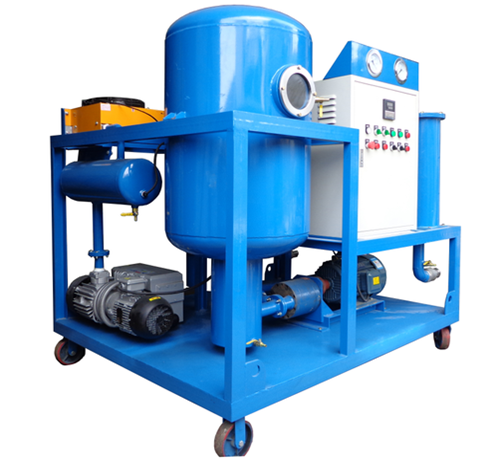
Launching
The oil lubrication about distribution transformers constitutes critical for particular operation. With time progression, electrical transformer hydrocarbon stores contaminants consisting of disintegration products, contaminants, and aqueous content. Those impurities can reduce the oil's dielectric properties and hydraulic characteristics, ultimately undermining system soundness and lifespan. To deal with this problem, state-of-the-art removal systems are progressively being implemented.
Such approaches often entail a integration of natural phases, consisting of distillation, adsorption, and corrosion. Expert cleansing mechanisms can competently dislodge heavy granules from the oil, while binding agents are implemented to retain dissolved impurities.
- Also, oxidation procedures can be adopted to break down challenging impurities, thereby refining the oil's traits.
Those enhancements in electrical oil purification approaches add to optimized device efficiency, reliability, and endurance, afterward minimizing downtime and corresponding costs.
Upgrading Transformer Fluid with Targeted Filtration Tools
Among demanding domains of commercial activities, ensuring superior fluid condition is crucial for optimizing hardware operational time and general effectiveness. Refined cleansing devices serve an important function in this initiative by adroitly removing particles that can undermine oil integrity over time. The specialized cleaning processes deploy a combination of engineered filtration media and exact engineering to capture a large collection of debris from the oil stream. The achievement is uncontaminated more reliable oil that can appropriately lubricate mechanical sections, reducing drag , wear, and splitting. By utilizing precision filtration systems, companies can substantially prolong the life of their equipment, decrease maintenance costs, and obtain improved operational efficiency.
Next-Generation Hydraulic Filters: Supporting Productive Output
Among present-day engineering sectors, process efficiency is essential. Improving equipment functionality and endurance is connected to several components, with oil purity appearing as a key piece. Heavy-duty cleaning apparatus perform a major function in continuing fluid clarity by eliminating contaminants that can result in advance breakdown, disruption, and costly downtime. Those expert setups use innovative cleansing techniques to hold a diverse array of impurities, consisting of granules, aqueous content, and alkalis. By uninterruptedly purifying the oil, industrial oil purifiers prolong its life, refine lubrication quality, and contribute to a healthier and more stable work environment. Systematically maintenance of these systems is essential to secure their effectiveness. This requires assessing the filtration process, changing elements as needed, and respecting maker recommendations for optimal performance. By investing in select industrial oil purifiers and carrying out a robust maintenance schedule, manufacturers can fulfill important economic advantages. Ultimately, these systems pave the way for smoother operations, reduced downtime, and increased profitability.Stopping Malfunctions by Good Oil Cleaning
Fluid filtering is a key aspect in the maintenance of any machine or equipment. As time progresses, engine oil becomes fouled with foreign matter, which can damage capability and over time lead to malfunction. Applying effective oil filtration strategies can significantly enhance the life of your tools and secure optimal operation. Periodically replacing your engine oil and enabling a elite device are crucial steps. A proficient oil filter can aptly remove contaminants, continuing your apparatus working well.
Revitalizing Oil to Boost Transformer Life
Affirming the functionality of your electrical transformers is paramount for a reliable and efficient energy system. With continued functioning, transformer oil naturally decays due to temperature, oxidation, and mechanical stress. This erosion can produce increased operational costs, reduced efficiency, and potential damage to the apparatus. Transformer oil regeneration offers a environmentally sound and cost-efficient solution to extend the utility time of your transformers by recovering their prototype properties and performance.
The method involves filtering the used oil through a series of refined means, such as filtration, dehydration, and oxidation inhibition. This competently erases foreign matter, repairs dielectric strength, and boosts thermal stability. By restoring regenerated oil into your transformers, you can significantly decrease maintenance requirements, advance whole stability, and ultimately amplify the service life of your valuable assets.
Foundations of Oil Treatment in Industrial Use
Hydraulic treatment is a key procedure in industrial applications. Hydrocarbon lubricants are continuously exposed to contaminants such as grit, water, and corrosion remnants. These impurities can severely impair the capability of lubricants, leading to increased friction, wear, and component defect. Effective oil purification methods apply numerous methods to purge the pollutants. These methods can range from simple filtration that physically trap impurities, chemical treatments that neutralize or decompose unwanted elements, and thermal processing that evaporates/removes volatile contaminants/separates impurities. The selection of the best-suited technique depends on the chosen environment and the type of contaminants present. Regular oil purification not only amplifies life span of lubricating oils but also reduces downtime. Moreover, it supports hazard reduction by preventing equipment failures and reducing pollutant spread.
Governance of Fluid Purity: Thorough Analysis
Controlling oil contamination is crucial for guaranteeing operational efficiency and environmental protection. This in-depth report delves into the aspects of oil contamination, exploring its causes, consequences, and effective reduction strategies. Presented will be varied best practices, analysis approaches, and regulatory policies to help you limit oil contamination risks.
- Grasp the main contributors of oil contamination in various settings.
- Expose the damaging influences of oil contamination on equipment, infrastructure, and the environment.
- Enforce proven strategies to prevent and rectify oil spills and leaks.
- Remain knowledgeable of industry regulations and best practices for oil contamination management.
Upgrading Hydraulic Systems by Cleaning
Retaining high quality in fluid mechanics necessitates meticulous attention to detail, particularly when it comes to the quality of the hydraulic fluid. Fluid contamination can lead to a cascade of detrimental effects, including reduced efficiency, increased wear and tear on components, and even catastrophic system failures. Using a robust purification process is important for mitigating these risks and ensuring the longevity and reliability of hydraulic systems.
Through regular filtration and treatment processes, it's possible to remove harmful particles, water, and other contaminants that can compromise fluid performance. By employing elite filters with appropriate micron ratings and utilizing specialized purification equipment, operators can effectively maintain the integrity of the hydraulic fluid and extend the operational lifespan of critical components. This proactive approach not only minimizes downtime and repair costs but also enhances the overall safety and efficiency of hydraulic systems.
Detailed Oil Cleaning Techniques for Transformers
Steady preservation of transformer oil is vital for the long-term performance and functional period of your transformers. With duration, oil can become contaminated with impurities, affecting its ability to competently cool and cushion the transformer components. Deep cleaning transformer oil involves a multi-step process to purge these contaminants, reviving the oil's properties to optimal levels.
- At the outset properly draining the existing oil from the transformer tank. This commands proper safeguarding steps and adherence to designer's guidelines.
- Thereafter, the transformer tank needs to thoroughly sanitized with a suitable solvent. This process helps remove any left behind oil and contaminants from the tank's walls.
- At the point when the tank is sterile, the treated oil can be poured back into the transformer. The amount of oil added must be compatible with the producer's specifications.
- Ultimately, it is crucial to track the transformer's oil level and quality regularly. This will grant you to recognize any potential difficulties early on, allowing for timely action.
Settling on the Ideal Oil Purifier for Your Needs
Pertaining to picking the most fitting oil purifier for your needs, it's necessary to consider a variety of factors. First, evaluate the amount of your oil system and select a purifier that can appropriately handle it. Next, consider the type of oil you're handling. Different purifiers are devised to extract specific adulterants. Finally, take into account your budget and study different brands and models that conform to with your requirements.
- What's more, observe to attributes like filtration efficiency, noise level, and ease of maintenance.
Concrete Effects of Oil Cleaning
Continued cleaning of transformer oil offers a multitude of concrete benefits that strengthen the output of electrical equipment. First and foremost, purified oil reduces abrasion to necessary components, extending their endurance. This minimizes maintenance costs. Furthermore, cleaner oil boosts heat transfer capabilities, leading to more powerful cooling and preventing thermal degradation.
By cleaning particles, transformer oil purification supports smooth operation and lessens Lube oil purifier the risk of failures. This ultimately {contributes to|leads to