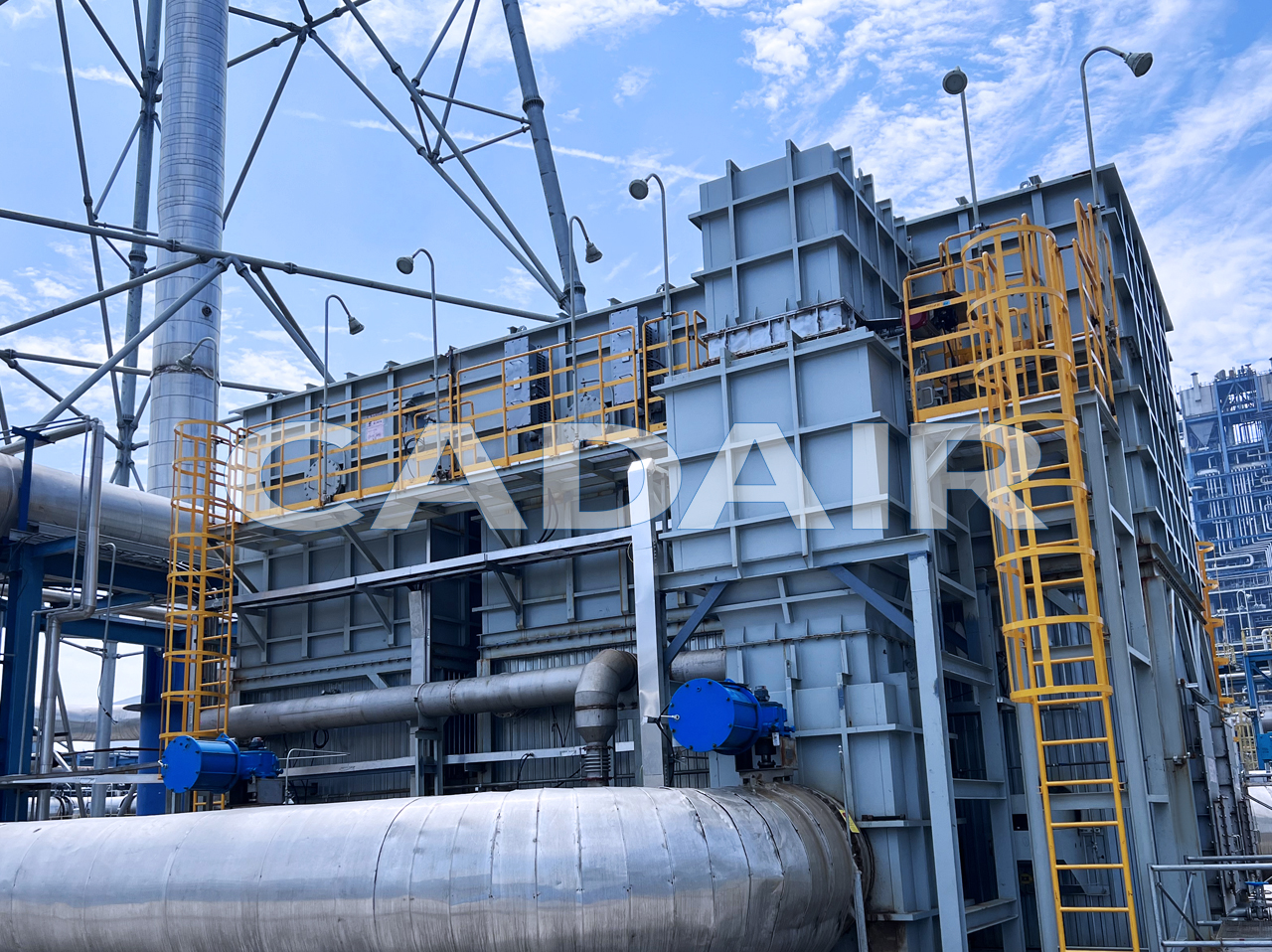
cost saving operation safe regenerative thermal oxidation facilities?
Beginning
Volatile organics cause health risks (Molecules) posing risks to biotic and abiotic systems. Traditional removal methods utilize heavy energy consumption and originate unsafe secondary waste. Zeolite rotary devices present environmentally sound choices, yielding excellent VOC grasp from air molecules. These matrices offer wide surface extents alongside novel voids enabling effective VOC adsorption.
- Additionally, zeolite spinning devices regenerate, shrinking habitat stress and budget.
- Thus, zeolite rotary innovation expands in diverse production contexts, including manufacturing effluent regulation, inside air cleaning, and fluid waste management.
Implementation of zeolite wheels signifies a major change for eco-friendly VOC elimination, offering environmental plus financial benefits.
Regenerative Heating Oxidizers: Effective Air Processing
Thermal recovery oxidizers offer leading air cleaning methods. These installations utilize burn and heating processes of polluted air at increased thermal settings, fully converting harmful substances into safe emissions. Its closed-loop nature ensures power efficiency. These systems excel in extracting volatile chemicals, dust, and gaseous poisons. Their applications span many industrial sectors, including fabrication, healthcare, and waste processing.Perks comprise cleared air, eco-friendliness, and budget efficiency. What's more, compressed dimension and effortless servicing establish them worthwhile.
Catalytic Reaction Systems: Emission Control Innovations
Manufacturing lines release harmful airborne constituents. Catalyst-mediated combustion setups curb ecosystem risks. Catalysis transforms dangerous elements into safer residues. Catalysts advance oxidation pathways conserving energy.
Various catalysts apply in different applications, including rare earth materials like osmium and rhenium. Best catalyst selection mandatory to improve efficiency. Reactor structure ensures thorough pollutant-catalyst interactions to improve pollutant transformation.
Catalyst-based units prevail over basic techniques by discrimination. They filter selective molecules conserving overall mixtures. Plus, they maintain moderate temperatures saving power. Continued catalyst R&D advances emission control facilitating cleaner processes and healthier environments.
Enhancing Regenerative Catalytic Oxidizer Effectiveness
Reaching top efficacy requires careful variable management. Choosing proper catalytic materials is vital. Adjusting control variables including warmth and exposure boosts efficiency. Tracking and evaluation protocols sustain operations. Regular servicing and check-ups preserve reliability of the system and performance.
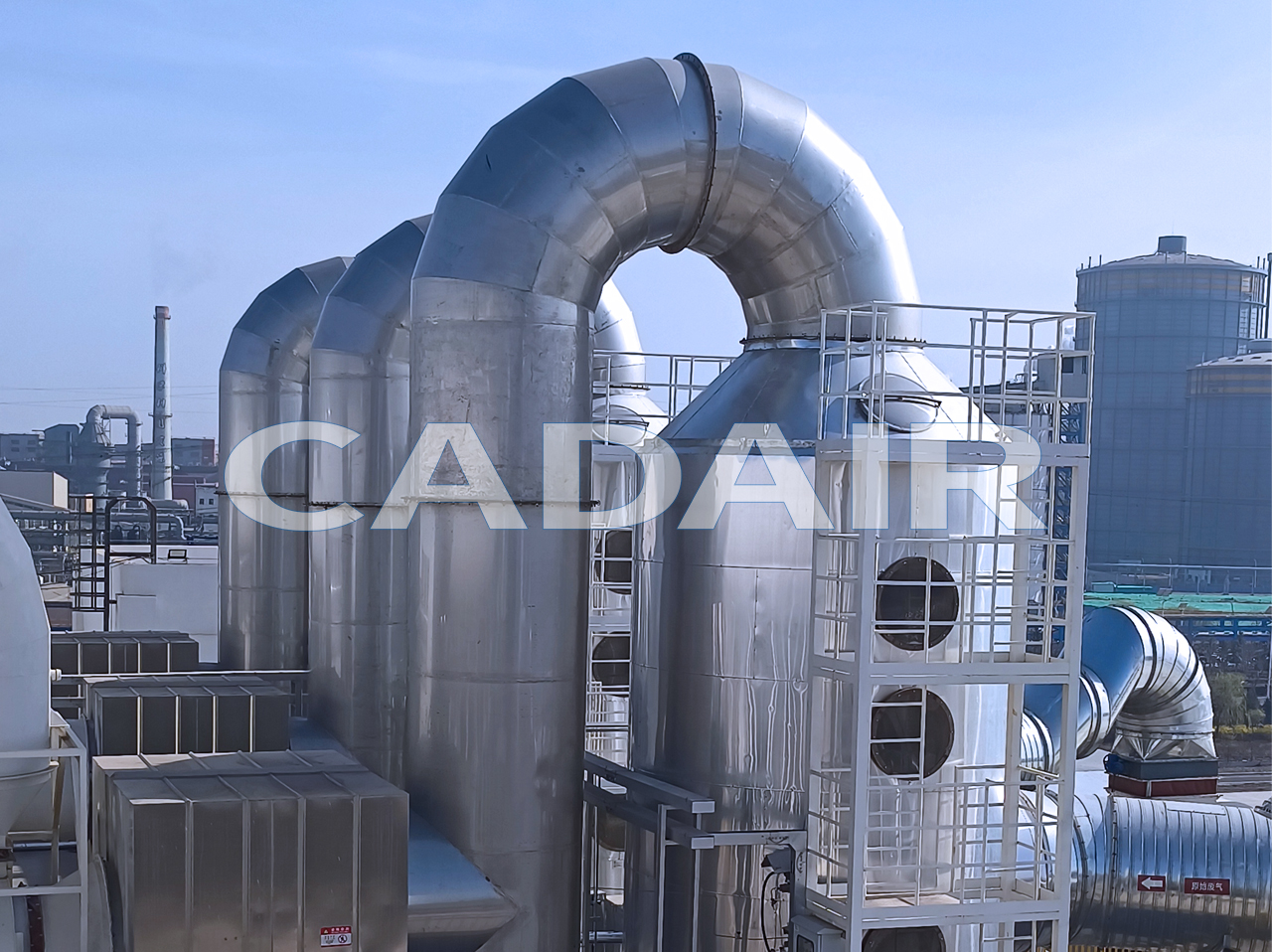
Zeolite Importance in Regenerative Oxidizers
Regenerative oxidizers serve essential functions suppressing volatile organics. Zeolite materials offer essential roles via selective trapping and catalysis. Distinct VOC capture facilitates thorough oxidation. In addition, zeolitic materials stimulate oxidation reducing fuel consumption and advancing efficiency.
- As a result, adoption of zeolite matter strengthens volatile compound removal, energy lowering, and environmental stewardship.
Juxtaposing Synthetic Zeolites and Conventional Catalysts
Recent catalytic discoveries produced evaluative examinations of laboratory-made zeolites contrasted with classical catalytic materials. The inquiry evaluates catalyst potentials, specificity, temperature capacity, and cost-effectiveness. Deciding on zeolite catalyst aptitude regarding full VOC oxidation within RTO units. The data serve progress toward efficient and sustainable emission control.
- Zeolites, with their porous structure and large surface area, hold promise for catalytic VOC oxidation.
- Older catalytic materials mostly metal oxide-based reveal shortcomings in efficacy and choice.
Moreover, research explores heat levels, retention periods, and feed ratios influencing zeolite and conventional catalysts. This comprehensive scrutiny aids better catalytic system management balancing VOC elimination and power demand.
Predictive Modeling in Regenerative Catalytic Oxidation
Refined catalytic breakdown systems manifest intricate configurations addressing toxin-laden gases. They conduct catalytic chemistry eradicating harmful chemicals emitting heat as result. This operational complexity calls for dependable modeling approaches enabling improvement and design. Mathematical models allow forecasting critical system variables over fluctuating scenarios. Moreover, Waste gas treatment equipment such studies reveal challenges and guide enhancement of more efficient regenerated catalytic oxidizer designs.Contrasting Thermal and Catalytic Oxidation: Choosing Best Approach
Selecting suitable oxidation methods involves multifaceted evaluations. Oxidative methods based on heat or catalysts present distinct pros and cons. Temperature-driven oxidation employs hot conditions activating reactions. Catalysis-driven oxidation promotes reactions at moderate thermal settings. Pick differs based on efficacy, cost-effectiveness, and chemical types.
- Temperature-dependent oxidation often delivers effective removal demanding substantial energy
- Catalyst-based methods operate at lower heat cutting costs and pollutants
Deep process insight aids identifying best oxidation methods. Seeking professional advice improves choices harmonizing efficiency with environmental stewardship.
Zeolite Rotor-Based Air Purification
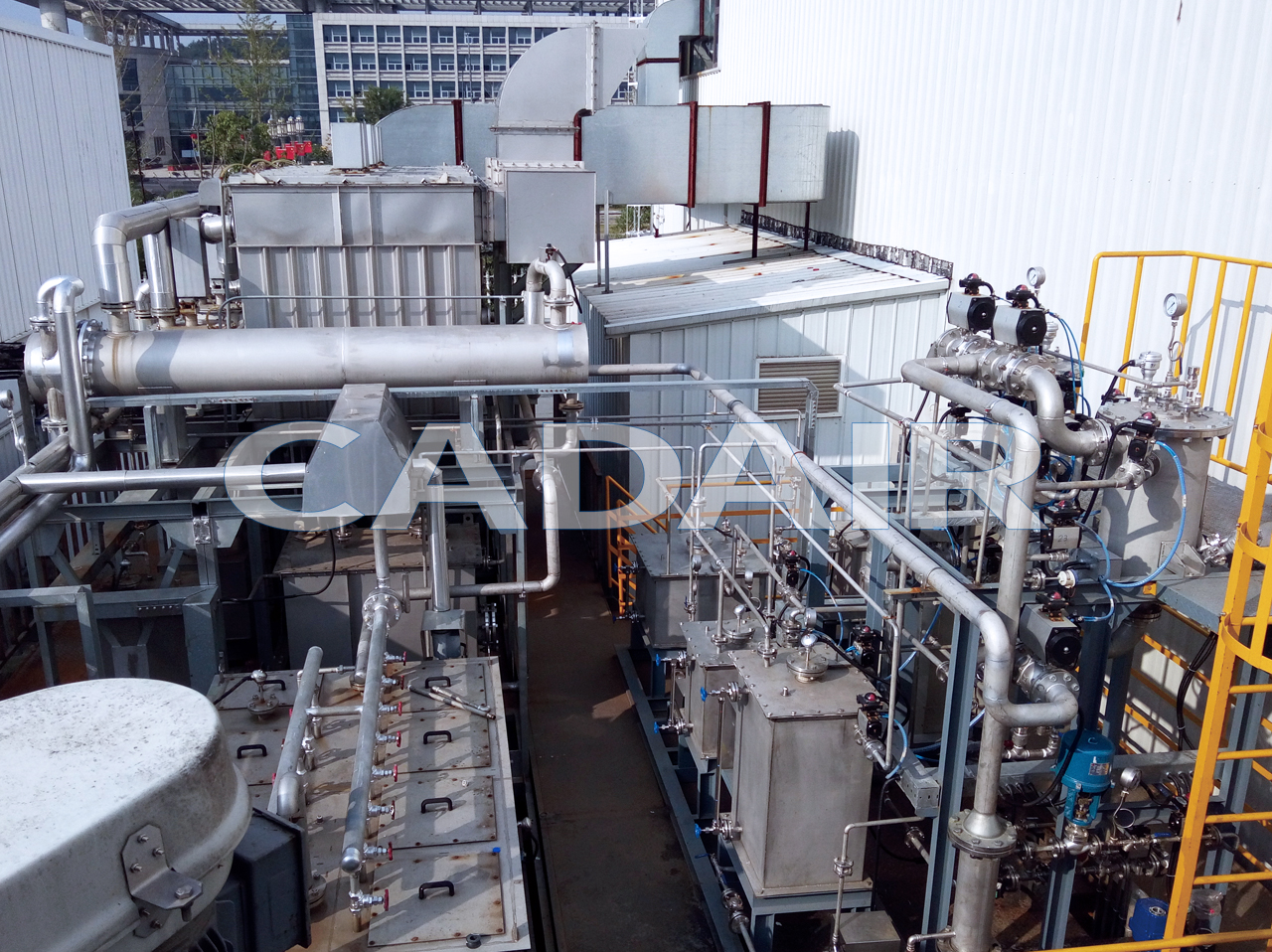
Zeolite spin device applications prove useful for gas emission control across manufacturing and vehicular domains. These rotors made of porous crystalline zeolites function by adsorbing pollutants via contact, chemical, or electrostatic dynamics. Spinning function supports constant and proficient pollutant reduction. Assorted zeolite variations customize pollutant adsorption including CO, NOx, and VOCs, making this technology adaptable, flexible and versatile for varied pollution concerns.
- Supplementary, this technology outperforms standard emission mitigation solutions, including:
- Lessened power utilization.
- Space-saving architecture.
- Notable emission reduction.
Persistent research and method refinement drive enhancement of zeolite rotor technology, facilitating sustainable adoption industry-wide.
Notable Regenerative Oxidizer Use Cases
Within the expanding oxidation domain, regenerative oxidizers confirm their influential and reliable capabilities. Their aptitude for converting waste gases into beneficial resources gains growing esteem.
- A key case highlights regenerative oxidizer mitigating extensive pollutants within a chemical factory achieving large toxic output cut and demonstrating environmental benefit potential.
- Extra effective approach appears in energy industries adopting regenerative oxidizers for organic waste combustion enabling efficient and sustainable conversion of biomass to energy offering a clean alternative to fossil fuels.
Such studies underscore versatility and effectiveness of regenerative oxidizers in multiple sectors. With continued innovation, anticipate groundbreaking uses ahead for this promising technology in upcoming years.
The Future of Air Pollution Control: Zeolites and Regenerative Systems
Amid growing global air pollution concerns, urgent, innovative approaches are needed. Pioneering tactics depend on zeolite-enhanced recyclable purification technologies. Appreciated for fine adsorption and configurable pore structures, zeolites sequester pollutants effectively. Fused with recyclable technologies, they ensure nonstop contaminant removal and reclamation cutting waste and fostering sustainability. Such integration produces effective solutions confronting multifaceted pollution scenarios involving industrial outputs, vehicular exhausts, and indoor air. Complementarily, ceaseless scientific work fine-tunes zeolite composites and regenerative methods, catalyzing next-level and adjustable air cleansing units.
- Novel Zeolite Designs
- Eco-Friendly Process Improvement
- Expected Results in Atmospheric Cleansing