business critical Mud Recycling System vendor selection?
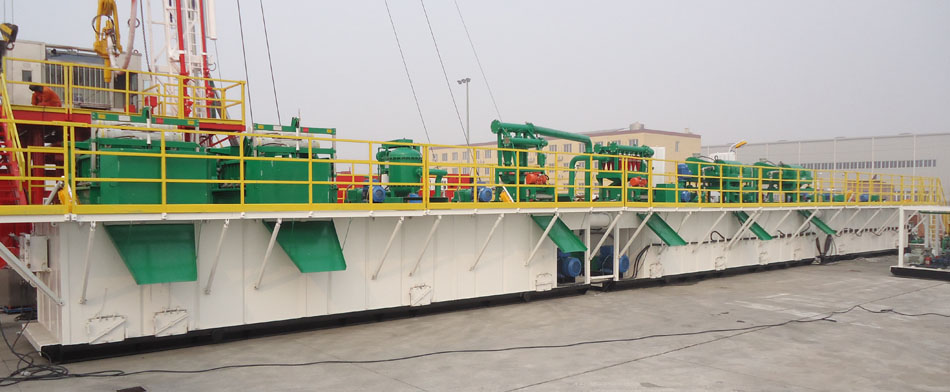
Within the exacting realms of oil exploitation effective control of drilling solids is fundamental. Supplier
Solids removal apparatus play an important part in filtering waste and solids out of drilling fluids, thereby ensuring optimum wellbore stability and operational output. To enhance their efficacy, shaker machines' functioning must be fine-tuned via a variety of elements. This consists of picking a fitting shaker model and mesh gauge based on drilling context, consistent servicing to deter damage, and embracing top fluid dynamics management practices. Via conscientious handling of these subjects, specialists gain considerable improvements in drilling yield, detritus reduction, and entire system sustainability.
Shaker Screen Options: Ensuring Effective Drilling Liquid Separation
Careful determination of shaker meshes impacts drilling fluid clarification processes. Such screens perform a fundamental role in eliminating sediment and debris from drilling fluids. Screen hole diameters call for detailed consideration matching fluid character and particle categories. Selecting ill-suited shaker screens might provoke diminished filtration efficiency, potentially harming drilling workflows.
Effective sediment separation from drilling liquids is critical in supporting wellbore robustness. Improving drilling outcomes, enhancing operational longevity, and minimizing formation harm. A properly engineered shaker screen arrangement can significantly augment overall operational throughput.
Cutting-Edge Technologies for Drilling Waste Processing in Environmentally Friendly Operations
Oil and gas extraction processes yield substantial drilling leftovers, creating significant ecological issues. In order to lessen such effects, engineers and scientists are continuously innovating advanced waste treatment technologies. These techniques attempt to shrink waste scales and risks while regenerating key substances. Contemporary breakthroughs involve enzymatic restoration, mechanical filtration, and chemical purification. By means of these novel strategies, the sector transitions to sustainable workflows, minimizing ecological strains and upholding earth wellness.
Boosting Performance of Sludge Recycling Setups: Curtailing Eco Damage
Enhancing slurry reclamation strategies is essential for mitigating ecological harm connected to building and industrial efforts. By skillfully reclaiming mud, disposal requirements substantially decline, conserving natural reserves and lowering contamination. A first-rate mud reclamation setup integrates elements supporting superior effectiveness. They incorporate advanced classification systems, thorough cleansing protocols, and earth-conscious management for leftovers. Also, periodic overhaul and employee development are critical to preserve system function and diminish ecological burden.
Coordinated Efforts in Joining Shaker and Drilling Fluid Recycling Systems
Crude oil and gas operators incessantly hunt fresh solutions to refine drilling performance. Muck recovery constitutes a key part promoting such aims. State-of-the-art unified solutions emerge to tackle the challenges posed by mud recycling mechanisms, offering numerous benefits. Synergistic models incorporate assorted technologies to strengthen efficacy, suppress contamination, and aid entire drilling ventures. Finally, they upgrade drilling achievements regarding productivity and eco considerations.
Upgrades in Filtration Technology for Drilling Detritus
The natural gas field continuously attempts to curtail eco issues stemming from operations. A key matter involves regulating drilling residuals with capable filtration and separation of solids from drilling brews. Sophisticated improvements in purging and splitting technologies provide viable options to lower rubbish volumes and boost reuse or removal.
- Modern compound filters and carbon activations embody state-of-the-art agents garnering wide debris spans within drilling suspensions
- Centrifugation, accumulation, and weight-driven separation optimize fluid-clearance from solid drilling waste
- Automatic, electronic, and cognitive robotics combine with separating and filtering operations refining workflows and tracking
Also, analysis proceeds on unconventional drilling refuse elimination methods, embracing redevelopment through refurbishment.
Examining Shale Shakers' Impact on Drilling Liquid Processing
Vibratory shale screens serve crucial equipment within petroleum industries to separate drilling fragments. Cuttings embody stone chips, crystalline shards, and assorted debris collected during drilling steps. Proper elimination of fragments is essential for sustaining fluid thickness and weight crucial for bit temperature control, lubrication, and well integrity. The apparatus applies vibrating motions to segregate bulky cuttings from lighter drilling slurries. Filtered cuttings accumulate in disposal units and clean drilling slurries recycle for reuse. Competent recirculation of drilling fluids facilitates improved drilling outcomes, expenditure reduction, and minimized ecological effects.
Perfecting Screen Pattern to Decrease Drilling Byproducts
Enhancing shaker mesh organization stands as an integral phase in limiting drilling residues. Selective shaker screen usage prominently upgrades particle separation, curtailing refuse disposal. Meticulous review of pore measurements, mesh alignment, and suspension throughput is necessary for best results. These measures collectively foster ecosystem protection by cutting amounts of formed trash.
Outlook on Drilling Waste Treatment Technology: Smart and Automated Techniques
Natural resource harvesting enterprises steadily innovate to fulfill increasing client demands and legislative conditions. A key topic drawing extensive attention is waste handling during drilling, integrating robotic and smart tools. Through integrating such modern technologies, the industry successfully reduces ecological footprints and enhances performance metrics.
AI-enabled equipment, robotic instruments, and autonomous systems actively facilitate ongoing surveillance of drilling residues. These provide crucial data generating insights valuable for refining treatment protocols and waste management strategies. Obtained knowledge facilitates enhancing prevailing processes and inventing advanced methods.
Plus, smart applications featuring machine reasoning, estimating, and data scrutiny encourage early problem recognition. Such readiness mindset promotes quick fixes, minimizes environmental impact, and circumvents operational issues.
Proven Case Studies Showing Performance of Shale Screen and Muck Reuse Models
The petroleum sector continuously pursues novel strategies to increase drilling productivity and reduce environmental damage. Reports showcase significant benefits connected with shale shaker and fluid reclamation apparatus adoption. The technology powerfully backs drilling gains by segregating solids in fluids and effective liquids reuse, producing paramount cost reductions and junk minimization.
Fresh certified assessments present implementation of shaker machinery in broad drilling engagements. Profitable outcomes involve remarkable declines in fluid waste disposal costs and mitigated environmental influences. Also, recovered mud reveals upgraded traits encouraging enhanced well bore steadiness and fewer blowout occurrences.
- Multiple assessments demonstrate shaker equipment’s success in eliminating fragments from drilling suspensions, increasing gear longevity and reducing maintenance tasks
- Residue reclamation mechanisms confirmed success in curtailing water use and minimizing harmful wastewater emissions into habitats
Fusing shale separator and mud recovery technologies signals a paradigm change in drilling fields, bestowing significant cost-saving and ecological improvements. Constant improvements plus inventive operational cases equip these frameworks for broader roles in guiding crude oil and gas sector development.
Advancing Shaker Performance Using Affordable Solutions
Optimizing shaker device functionality while limiting budget impact represents an essential aspect in efficient crude oil recovery. Applying frugal methods can substantially raise shaker efficiency and shrink overall spending. Prominent steps incorporate recurrent mesh verifications for harm, upholding ideal oscillation power, and tuning throughput fitting activity prerequisites. Avoiding emerging problems and executing these economic measures releases improved performance and sustainability from shaker configurations.