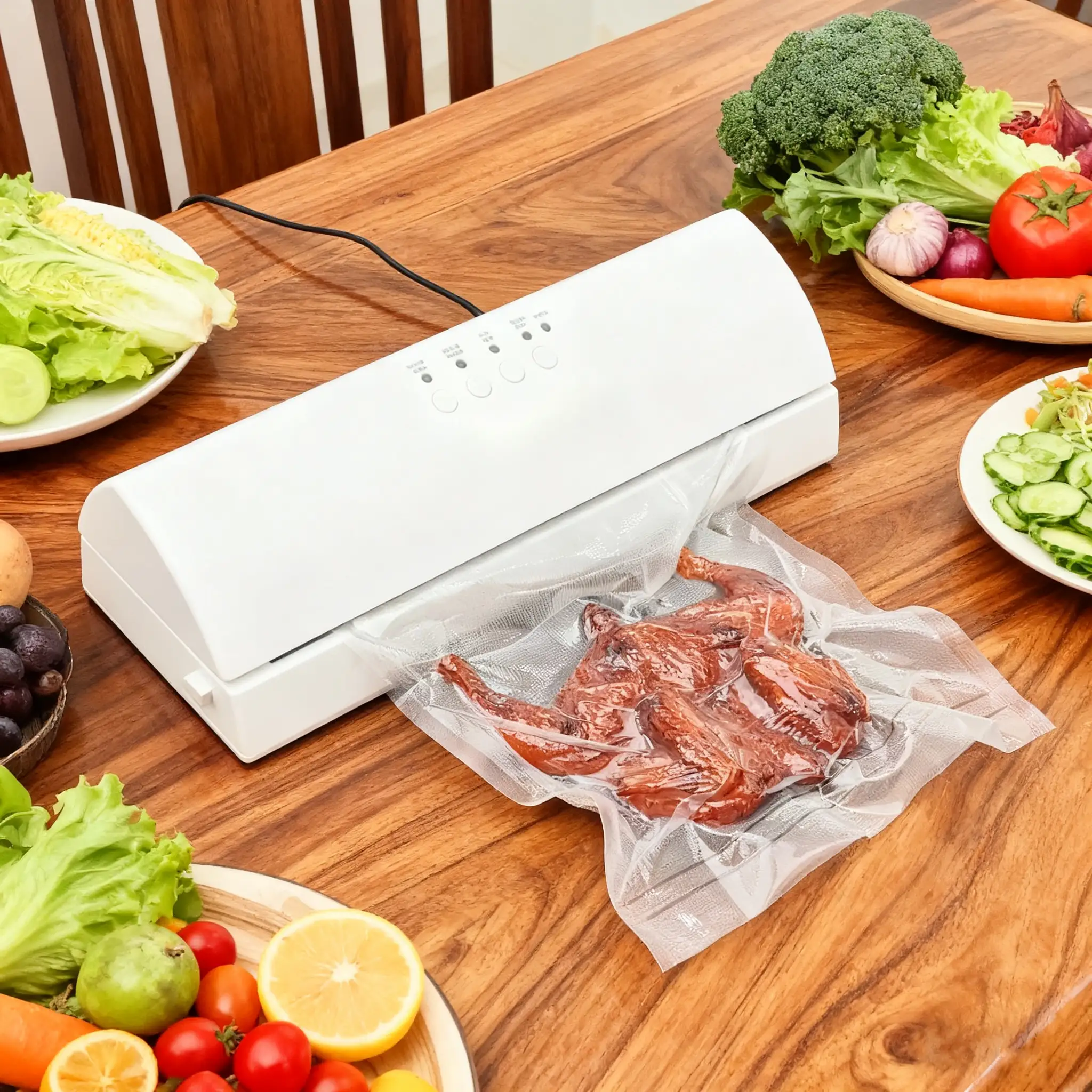
Building a homemade food vacuum sealer demands safe materials and strong suction; see expert advice and click here now to start your DIY project right.
Welcome
Enjoy everybody witnessed said canine mate sniffing their closed pouches? There is a common concern for pet owners. Though they lack the ability to comprehend the idea of vacuum sealing, they absolutely sense the whiffs emanating from within. Dogs possess an incredibly sensitive sense of fragrance, and those bags often contain residues of food, attire, or other items – all of which are fascinating to them. It’s rare they understand *what* they’re smelling, but they clearly know *something* is there, prompting their searching behavior.
Reason Your Equipment Won't Becoming hot: Trouble Resolution
Is your plastic laminator unable to activate warmth? It’s a recurrent problem, but often easily solved. First, verify the lead for any clear issues. A unsecured plug is another plausible culprit – make certain it’s properly inserted to both the device and the main supply. Next, inspect the temperature limiter; if it’s faulty, it will obstruct the laminator from generating heat. Finally, read your appliance's handbook for precise troubleshooting methods related to heat difficulties.
Shall The Sealed-in-air Beef Decayed? Telltale Signs
Detecting particular vacuum-sealed protein in your cooler can provoke questions about its condition. While vacuum sealing is one of the excellent process for extending shelf life, it’s never foolproof. Look for manifestations of spoilage: specific off whiff is a clear red indicator, as is any puffy wrapper (indicating gas production from bacterial multiplication). Also, examine the tint; variations like darkening can suggest putrefaction. If you’re undecided, it's advisable to err on the side of caution and remove the substance.
Sealed Bread Preservation: Preservation Tips
Guarding your just baked bread away falling crushed during delivery can be a real problem. Vacuum packaging bread is a particularly effortless solution to ensure it shows up beautifully shaped. The system extracts air, warding off the crushing that typically results in ruined loaves. Attempt vacuum sealing – it's a remarkable option to benefit from your bread's feel and flavor once it's intended to be tasted.An Examination about Smell: Can Domestics Detect Air-closed Items?
One extraordinary olfactory noses of dogs have long mesmerized scientists, prompting research exploring their competence for locating substances. Can these amazing creatures actually detect what's inside vacuum-sealed packs? The science supporting canine olfaction suggests it's ambiguous. While vacuum sealing limits odor outflow, it doesn’t eradicate it entirely. Dogs possess an phenomenal number of olfactory receptors, far overpowering those detected in humans, and can sense incredibly delicate scents. Yet, the measure to which a dog can detect specific materials within a vacuum seal rests on several variables, namely the classification of substance being sealed, the degree of the seal, and the friend’s individual proficiency.
- Aromatic units
- Airtight wrapping
- Instruction
Gadget Problems? Regular Obstacles and Problem-free Solutions
Will your instrument lagging? Don't worry, several everyday embedding snags are easily resolvable with a minimal elementary evaluations. Generally, a jammed cylinder or wrong covering material installation may provoke mottled layering. Explore carefully removing any visible blockages and make certain you’re working with the right sort of covering for your laminator's criteria. If that cannot fix the difficulty, look at your equipment's reference for enhanced issue-resolving help.
Air-evacuated Products Compromised? Safety and Spoilage Signs
Detecting a package of vacuum-sealed ingredients that seems contaminated can be hazardous. While vacuum sealing is a impressive method for safeguarding freshness, it doesn't eliminate the hazard of spoilage. Because vacuum sealing removes oxygen, undesirable microorganisms that *can* produce spoilage gases can flourish. Look for distinct signs of trouble: a bloated package (a critical warning!), homemade food vacuum sealer a sour aroma, or a slick touch. Even if the date on the tag isn’t over, these indicators suggest the meat isn't secure for devouring.
- Form: A discolored tint (brown, grey, or green) is a red flag.
- Whiff: A strong odor that wasn't present earlier.
- Feel: An unusually pliable feel that's at odds with what you’d expect.
Neatly Enclosed Bread: Expert Suggestions
Getting some flavorful loaf of bread that stays supple for days requires a little more than exclusively baking it well. Vacuum wrapping offers a fantastic solution! Here's guidance to nail the process: first, allow your bread to wholly cool before starting to seal it; oven-warm bread will create ample moisture and compromise the seal. Guarantee your vacuum sealer bags are spotless and parched. When arranging the bread, work to decrease air pockets. Lastly, experiment with diverse sealing times, as some machines and breads necessitate slightly more or lower time to achieve such perfect, air-tight seal.
Beyond Purity: What Timespan Can Users Really Safeguard Supplies?
Even though this technique dramatically prolongs the longevity of many ingredients, it's imperative to recognize that it’s infrequently a absolute solution for unlimited preservation. Reflect on – the process primarily depletes oxygen, which impedes spoilage, however completely block it. Individual products show differing sensitivities to germs and catalysts. For example, protein sources are able to safely maintain preserved for approximately a limited number of segments in the cold storage, although soft fruit and veg potentially only remain for several spans. Accordingly, in every case check for damage preceding consumption airtight sealed ingredients, notwithstanding how long it’s been preserved.
- Stored beef is capable of lasting close to a handful of durations in the fridge.
- Easily damaged items conceivably only last for a few days.
- Be sure to inspect for of spoilage.